Pricing an older home in Central Massachusetts isn’t always as straightforward as looking at recent sales and comparing square footage. Especially in smaller towns like Petersham, Barre, and Oakham, where two houses on the same street can be completely different.
One might be an 1800s farmhouse with wide-plank floors, original woodwork, and a barn. Another could be a renovated Colonial with modern systems and an open floor plan. Both may have the same number of bedrooms and bathrooms, but that doesn’t necessarily mean they’re worth the same amount.
And when there aren’t many similar homes that have sold recently, figuring out the right listing price becomes even more challenging.
So how do you determine what your older or historic home is actually worth?
It starts with understanding the property itself, the local market, and what today’s buyers are willing to pay for the features that make your home different.
Let’s look at how I approach that process.
Why Pricing an Older Home in Central Massachusetts Requires a Different Approach
One of the things I love about real estate in Central Massachusetts is the variety of homes we have here.
You’ll find antique Colonials, historic farmhouses, charming village homes, log cabins, and rural properties with barns, workshops, and acres of land.
Many of these homes have been renovated or expanded over generations. Some have retained much of their original character, while others combine historic construction with modern additions.
That’s part of their appeal.
But it also presents a challenge when determining market value.
In a neighborhood filled with relatively similar houses, comparable sales may be easier to identify. A three-bedroom Colonial built in 2005 might have several recent sales nearby with similar layouts, condition, and amenities.
Now consider a farmhouse built in 1850, with a newer addition, multiple heating systems, five acres, and an old barn.
How many homes just like that have sold in the past six months?
Depending on the town, possibly very few.
That doesn’t mean the property can’t be priced accurately. It means the analysis needs to go beyond basic comparisons.
The goal isn’t to find a house that looks exactly like yours. It’s to understand how the market values the differences.
1. Comparable Sales Matter, but They Don’t Tell the Whole Story
You’ve probably heard Realtors talk about comps, or comparable sales.
These are properties used to help estimate the market value of another home, based on similarities and differences in location, size, condition, amenities, and other characteristics.
According to the National Association of Realtors’ guide to pricing a home, comparable properties are an important part of a comparative market analysis, or CMA.
But choosing the right comparable properties is only the beginning.
Let’s say you’re selling an older farmhouse in Petersham.
A recently sold home in the same town might have similar square footage and acreage, but it could be substantially newer, have a different layout, or offer major mechanical updates.
Meanwhile, an antique home in Barre might be much more similar in age, architecture, and condition.
Which sale should carry more weight?
The answer depends on how those differences affect buyer demand and how much reliable market evidence is available.
Sometimes the closest property geographically isn’t the strongest comparable.
And sometimes the most architecturally similar home isn’t comparable enough because the location or condition is significantly different.
A thoughtful pricing analysis looks at several properties, evaluates their differences, and considers how buyers responded to each.
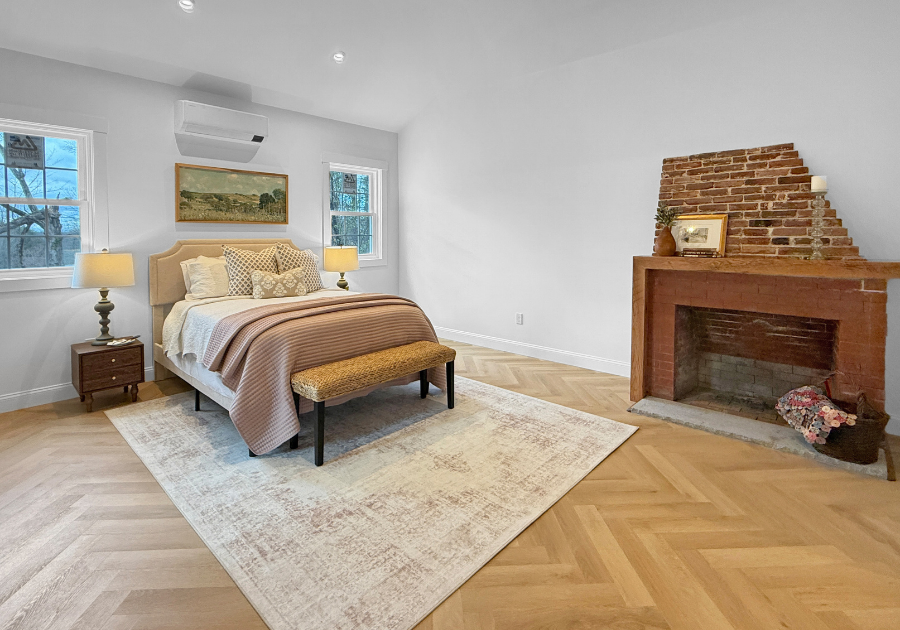
2. Why Price Per Square Foot Can Be Misleading
Price per square foot is one of the easiest numbers to find online.
It’s also one of the easiest to misunderstand.
Imagine two homes, each with approximately 2,000 square feet of living space.
Home A has a modern layout, two full bathrooms, updated systems, and a spacious kitchen.
Home B is an antique Colonial with original floors, smaller rooms, steep stairs, one bathroom, and several unfinished projects.
Even though their square footage is similar, buyers may evaluate the homes very differently.
Now imagine a third property with original woodwork, a beautifully restored interior, a functional layout, and thoughtfully updated mechanical systems.
That home might appeal to buyers who appreciate historic character but don’t want an extensive renovation project.
Square footage matters, but it doesn’t capture the entire experience of living in a house.
When pricing an older property, I also consider:
- How the rooms connect and function.
- Whether the bedrooms and bathrooms meet current buyer expectations.
- The overall condition of the home.
- Updates to electrical, plumbing, heating, and other systems.
- The quality and usability of the finished living space.
- Architectural details that distinguish the property.
- The property’s setting, privacy, and outdoor amenities.
Even the distinction between finished living area and other finished spaces can be important. Older homes sometimes have converted attics, partially finished basements, or additions that require careful evaluation.
Before making comparisons, it’s important to verify how the living area is represented.
A home’s value isn’t simply the number of square feet multiplied by an average selling price.
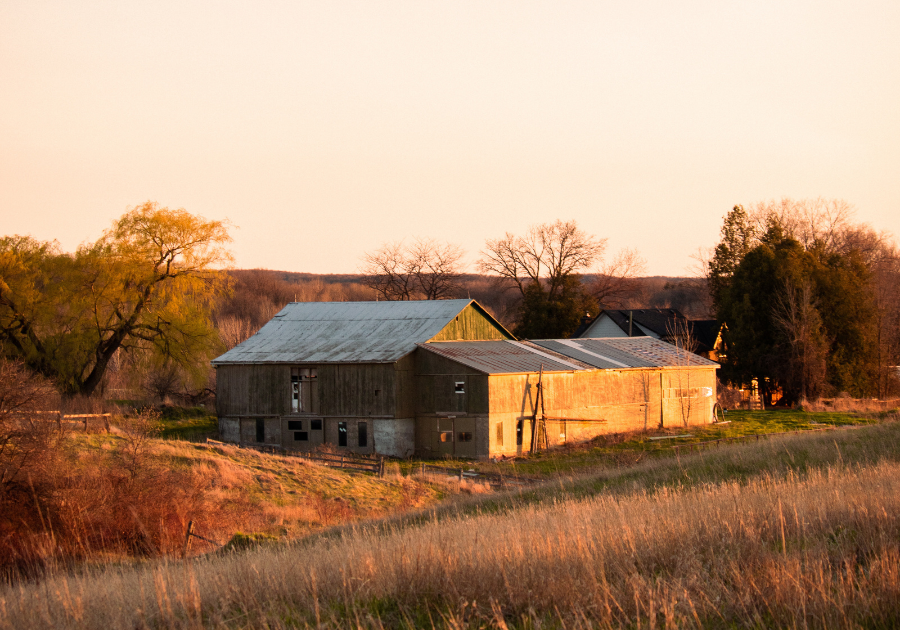
3. How Acreage, Barns, and Outbuildings Affect Property Value
This is especially relevant in communities like Petersham, Barre, Oakham, Hardwick, and the surrounding North Quabbin region.
Many properties offer something beyond the house itself.
Perhaps there’s a barn, detached garage, workshop, additional acreage, or a beautiful wooded setting.
These features can be meaningful selling points, but their contribution to market value isn’t always straightforward.
Does more acreage automatically mean a higher price?
Not necessarily.
Five acres of level, usable land with open fields may offer different possibilities than five acres of steep, heavily wooded terrain.
Factors worth considering include access, topography, privacy, wetlands, frontage, and applicable zoning requirements.
A buyer might love a property because it feels secluded and peaceful.
Another might be interested in gardening, animals, recreation, or the possibility of additional uses, subject to local regulations.
However, adding five acres to a property doesn’t automatically increase its market value by five times the value of one acre.
The land’s characteristics—and the local demand for those characteristics—matter.
What about barns and other outbuildings?
A charming old barn can be one of the most memorable features of a historic property.
But from a pricing perspective, we also need to evaluate its condition and usefulness.
Is the structure sound? Does it have electricity? Is it suitable for storage, a workshop, or another legally permitted use? Will it require significant repairs?
A well-maintained, functional outbuilding may appeal to a broader group of buyers than one requiring substantial structural work.
And an attractive barn doesn’t automatically add a specific dollar amount to a home’s value.
The question is how buyers in that particular market are likely to respond to it.
4. Does Historic Character Add Value to a Home?
This is one of my favorite parts of working with older properties.
Original wide-plank flooring, antique fireplaces, exposed beams, built-ins, beautiful staircases, and period hardware can give a home a personality that’s difficult to recreate.
These details can absolutely be part of what attracts a buyer.
But there’s an important distinction between a feature that makes a home memorable and a feature that has a measurable market value.
For example, beautifully preserved original woodwork may be a major selling point for someone specifically searching for an antique home.
Another buyer might prefer painted trim and a more contemporary interior.
Neither preference automatically determines market value.
What matters is understanding the likely buyer pool and how similar properties have performed.
Historic designation is another consideration
Not every old house is officially designated historic.
Some properties are included in historic inventories, while others may be within local historic districts or subject to preservation restrictions.
Those distinctions can matter because particular designations or restrictions may affect what future owners can change.
The Massachusetts Historical Commission provides resources for researching historic properties, including its MACRIS database.
For a property with an official designation or recorded restriction, I believe it’s important to understand the details before marketing the home.
Historic status alone doesn’t guarantee a higher selling price. Its effect depends on the property, the applicable restrictions, and how potential buyers perceive them.
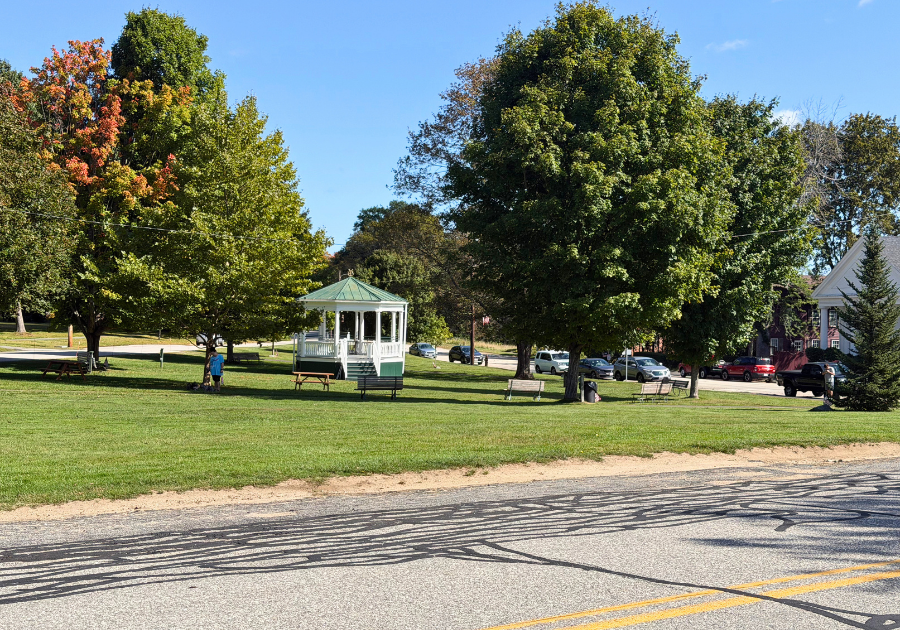
5. Why Comparable Sales Across Town Lines Need Careful Evaluation
If you live in Petersham, you’ve probably noticed that our real estate market doesn’t always behave exactly like the larger surrounding communities.
The same is true of Barre, Oakham, Athol, Hardwick, Phillipston, New Salem, and other nearby towns.
These communities may share certain characteristics, but individual properties can attract different groups of buyers.
For example, when comparing homes, I consider how location may affect:
- Commuting routes and access to employment centers.
- Distance to shopping, services, and everyday conveniences.
- Road setting, traffic, and accessibility.
- Privacy and surrounding land uses.
- Property taxes and ongoing ownership costs.
- The number and type of competing homes available.
That doesn’t mean one town is automatically more desirable than another.
It means buyers may place different values on particular locations and features.
A Petersham example
Suppose an antique farmhouse in Petersham has no recent sales of closely similar properties within town.
We might need to examine a comparable property in Barre or another surrounding community.
But before using that sale to help establish a price, I would want to understand whether its location, condition, acreage, and buyer appeal are reasonably comparable.
I’d also look at any available evidence of how buyers have responded to similar homes in each market.
Simply taking the sale price of a house in a neighboring town and assuming your home is worth the same amount could lead to an unrealistic listing price.
When local inventory is limited, expanding the search for comparable sales can be necessary. But expanding the search shouldn’t mean ignoring local market differences.
If you’re curious about the characteristics that make this particular market unique, I discuss them further on my Petersham Real Estate page.
6. How I Evaluate the Market Before Recommending a Listing Price
When preparing a comparative market analysis, I don’t want to rely on a single number or one recent sale.
I want to understand the property’s competitive position.
That means looking at multiple sources of information.
Recently sold properties
Closed sales provide evidence of prices that buyers and sellers have actually agreed upon and completed transactions at.
I examine the available details, including condition, updates, property features, location, and how long the home was marketed.
For unusual properties, the reasons behind differences in sale prices are often more informative than the prices alone.
Pending sales
Properties under agreement can help indicate current buyer activity.
The final contract terms may not be publicly available, but the listing history and time on market can still provide useful context.
Active competition
What will buyers see when they search for homes in your price range?
If your property is listed at $600,000, for example, buyers may compare it with other homes available around that price—even if those homes aren’t architecturally similar.
That competition affects how buyers perceive value.
A beautiful historic home may offer character, acreage, and privacy. Another property at a similar asking price might offer newer construction and fewer anticipated repairs.
Understanding those competing options helps determine where your property fits.
Expired, canceled, and withdrawn listings
I also pay attention to properties that were marketed but didn’t sell.
Not every unsuccessful listing is overpriced. There may have been condition issues, seller circumstances, limited access, marketing challenges, or other factors.
Still, the listing history can offer useful lessons about buyer response and market positioning.
The goal is to consider the available evidence together rather than treating any single listing as proof of value.
7. Why an Online Home Estimate May Not Tell the Full Story
It’s natural to look up your home’s estimated value online.
Those tools can provide a starting point for curiosity, but they’re not a substitute for evaluating the actual property.
An automated estimate may not fully account for the condition of an antique barn, the quality of a historic restoration, an unusual floor plan, or major updates that aren’t reflected in available property data.
The same goes for municipal assessments.
A property’s assessed value serves a property-tax purpose. It isn’t automatically the price a buyer would pay today.
You can review assessment records through resources like the Town of Petersham Board of Assessors, but those records need to be understood in context.
A comparative market analysis uses available market evidence and property information to develop a pricing opinion for a potential sale.
A formal appraisal, on the other hand, is a separate valuation service performed by an appropriately credentialed appraiser.
For a distinctive property, the most useful starting point is often a careful look at the home’s actual features alongside relevant, current sales data.
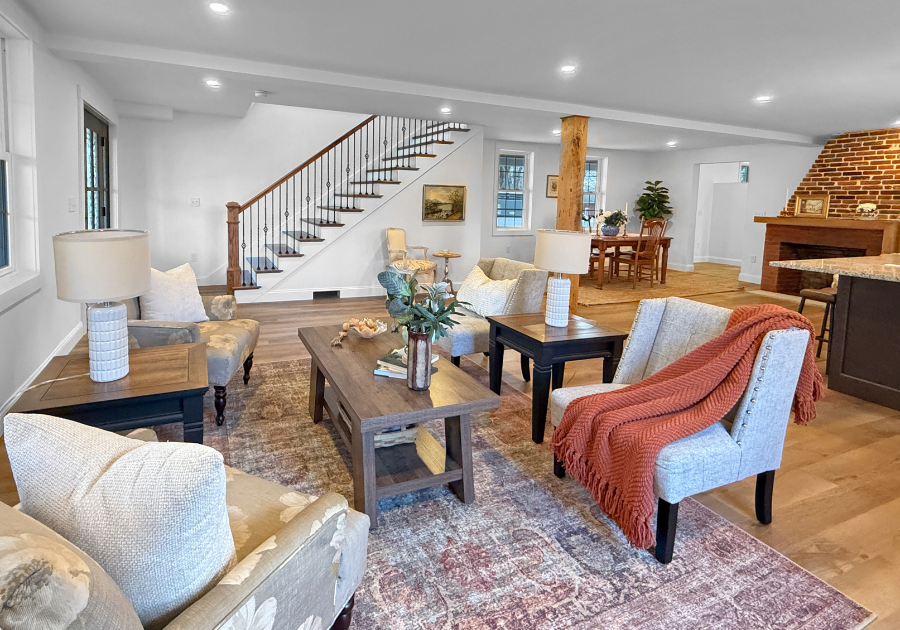
8. Why Pricing and Presentation Should Work Together
This is where my experience as both a Realtor® and Certified Home Stager comes into the picture.
I believe a home’s pricing strategy and presentation strategy should support each other.
Imagine an older home with a beautiful fireplace, original built-ins, and a unique floor plan.
If the rooms are cluttered, poorly furnished, or photographed without highlighting those features, buyers may struggle to appreciate what makes the property special.
That doesn’t necessarily mean the home is priced incorrectly.
It may mean its strongest qualities aren’t being communicated effectively.
The reverse can also happen.
A beautifully staged home can make a wonderful first impression, but presentation alone won’t justify an asking price that the market doesn’t support.
Staging helps buyers recognize a property’s strengths. Pricing needs to reflect what buyers are prepared to pay for the property as a whole.
That’s why I prefer to discuss preparation and pricing together, before a seller starts making major changes.
Sometimes the best investment is professional photography, thoughtful furniture placement, or addressing a maintenance concern.
Sometimes a more substantial repair deserves attention.
And sometimes the home is already well positioned, and we simply need to present it clearly.
If you’re deciding which projects are worth tackling, my article on what NOT to fix before selling your house may help you prioritize.
You can also learn more about my home staging services in Central Massachusetts.
9. Common Pricing Mistakes When Selling an Older Home
Even when sellers know their properties are unique, there are a few mistakes worth avoiding.
Pricing based on what you’ve invested
Maybe you’ve spent years restoring your home, improving the landscaping, replacing systems, and maintaining the property.
Those improvements may contribute to its appeal and market value.
But the total amount invested doesn’t necessarily equal the amount buyers will pay back at closing.
Some improvements maintain a home’s condition rather than increasing its resale value dollar for dollar.
Adding a premium simply because the house is historic
Original craftsmanship and architectural character can distinguish a property, but historic age alone isn’t a reliable basis for increasing the asking price.
The condition, functionality, setting, and actual buyer demand still matter.
Choosing a higher price just to leave room for negotiation
There can be legitimate reasons to choose different asking-price strategies.
But pricing well above what the market supports may discourage otherwise interested buyers from scheduling a showing.
And if a home sits without meaningful interest, the seller may need to reconsider the price or presentation.
A higher initial asking price doesn’t guarantee a higher final sale price.
Ignoring what competing homes offer
Your house doesn’t need to look like every other home on the market.
But buyers are still comparing their options.
Understanding those options is essential to selecting a price that makes sense.
10. Pricing an Older Home in Central Massachusetts: Where Should You Start?
If you’re considering selling a historic, vintage, or character-filled property, I would begin with five questions.
1. What makes this property different?
Think about its architecture, setting, acreage, outbuildings, layout, and original features.
2. What is its actual condition?
Consider major systems, maintenance, improvements, and any concerns buyers may identify during inspections.
3. What evidence do recent sales provide?
Look beyond one nearby sale or online estimate. Relevant market evidence matters more than a convenient comparison.
4. What will buyers be comparing it with?
Understand the active competition, not just the homes that have already sold.
5. How should the property be positioned before it goes on the market?
The right pricing strategy should work alongside preparation, photography, marketing, and your preferred selling timeline.
For many homeowners, answering these questions is easier with someone who understands both local real estate and the particular challenges of older homes.
And you don’t need to be ready to list next week to start that conversation.
Frequently Asked Questions About Pricing Historic and Older Homes
Are historic homes worth more than newer homes?
Not automatically. Some buyers place significant value on original craftsmanship and historic character, while others prioritize modern layouts, updated systems, or lower anticipated maintenance. A home’s market value depends on its individual features and the available comparable-sales evidence.
Does a barn increase the value of an older home?
It can, depending on its condition, functionality, permitted uses, and local buyer demand. A barn isn’t assigned the same value simply because one exists on the property.
Can I use comparable sales from another town?
Yes, when appropriate. In small markets, looking beyond town boundaries may be necessary. However, differences in location, property characteristics, and buyer demand should be evaluated rather than assuming two towns are interchangeable.
Should I renovate before getting a home valuation?
Not necessarily. I’d recommend discussing your property’s condition and likely buyer expectations before investing in major improvements. Some updates may be worthwhile, while others might not meaningfully change its marketability or value.
Is a Realtor’s comparative market analysis the same as an appraisal?
No. A CMA helps inform a listing-price decision using comparable properties and market evidence. A formal appraisal is a separate professional valuation service. Both have their purposes, but they’re not interchangeable.
Your Home Deserves More Than a Generic Price Estimate
If there’s one thing I hope homeowners take away from this article, it’s that pricing a unique property deserves individual attention.
An older home is more than its square footage and bedroom count.
It’s the combination of its location, condition, features, history, functionality, and the way those qualities fit into the current market.
As a Petersham-based Realtor® and Certified Home Stager with eXp Realty, I work with homeowners throughout Central Massachusetts, particularly those with historic, vintage, rural, and character-filled properties.
My approach begins with understanding the home itself, evaluating the market evidence, and developing a preparation and pricing strategy that fits both the property and the seller’s goals.
Because the objective isn’t simply to choose an asking price.
It’s to bring the right property to the market, at a thoughtful price, with a presentation that helps buyers understand its value.
Curious What Your Older Home Might Be Worth?
Whether you’re preparing to sell soon or just beginning to explore your options, I’d be happy to talk through your property and the local market.
Request a Personalized Pricing & Preparation Conversation
There’s no need to have every project finished or every decision made before reaching out.
Every Home Tells a Story. Let’s make sure yours is understood.
Maijia Donovan | Realtor® & Certified Home Stager | eXp Realty | Petersham & Central Massachusetts