When you’re getting ready to sell your house, it’s easy to focus on the big things. Should you repaint the living room? Replace the kitchen counter-tops? Update the bathroom? Maybe finally tackle that project you’ve been putting off for years Those decisions certainly matter. But there’s something I wish more homeowners understood before spending money preparing their property for sale. Buyers begin forming an impression of your home almost immediately. Sometimes, before they’ve even stepped through the front door. And while buyers will eventually consider square footage, condition, layout, price, and location, their initial reaction often shapes how they experience the rest of the showing. That’s why understanding the things buyers notice when viewing a house can be so valuable.
As both a REALTOR® and Certified Home Stager specializing in historic, vintage, and character-filled homes throughout Central Massachusetts, I look at property preparation from two perspectives: how a home functions and how buyers experience it.
I want buyers to recognize the practical value of a property, but I also want them to notice what makes it memorable. Because the goal isn’t necessarily to make your home look brand new. It’s to help buyers see it at its best. Here are seven things buyers notice when viewing a house and what I pay attention to when preparing a home for market, and what you can do to make a stronger first impression.
1. Things Buyers Notice When Viewing a House: The Arrival Experience
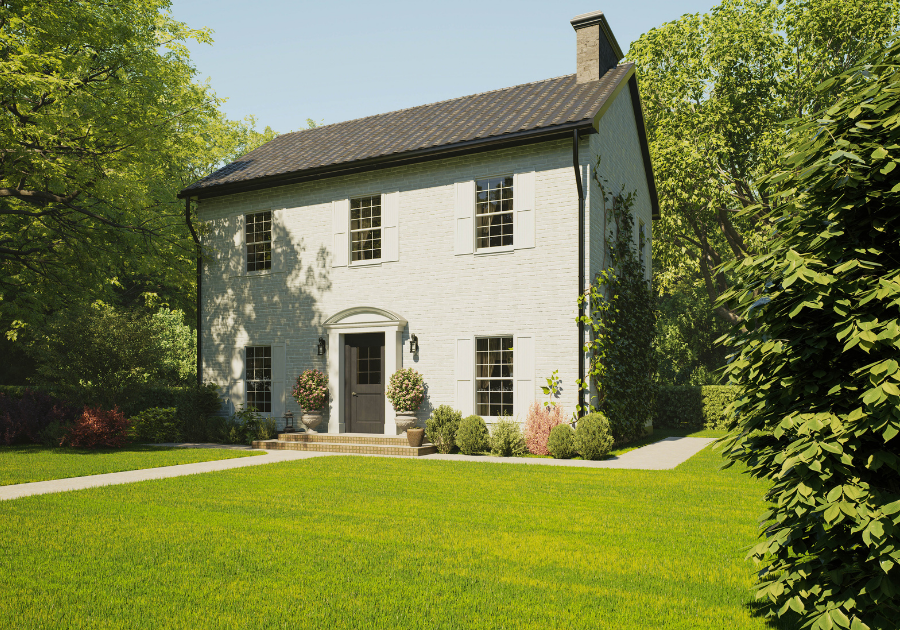
First impressions don’t begin in the living room. They begin outside, often before a potential buyer even steps out of their car. As buyers pull into your driveway, they’re already taking in the exterior, landscaping, condition of the walkway, and overall appearance of the property. They’re also getting a feel for the neighborhood and surroundings, forming expectations about what they might find inside.
One of the first things buyers notice when viewing a house is whether the property feels welcoming and well-maintained. Does the exterior suggest that the home has been cared for? Is there something about its appearance that makes them excited to see more? These initial observations can influence how buyers perceive the rest of the property, which is why curb appeal deserves attention when preparing a home for sale.
For older homes, this is especially important because so much of their charm and character can be appreciated before anyone walks through the front door. A beautiful antique farmhouse might feature an inviting front porch, an original entry door, mature trees, stone walls, or gardens that have been established for decades. These distinctive features help tell the home’s story and are worth highlighting. However, if the entrance is hidden behind overgrown shrubs, the walkway is cluttered, or the front door needs attention, buyers may focus on those distractions rather than appreciating the architectural details that make the property special.
What I recommend before listing
Start with a simple approach to exterior preparation:
- Sweep walkways, steps, and porches.
- Trim overgrown landscaping, particularly near the entrance.
- Clean exterior lighting and visible door hardware.
- Make sure the house number is easy to see.
- Remove unnecessary items from the porch or front steps.
- Consider a fresh doormat or a few understated seasonal plants.
You don’t necessarily need an expensive landscaping project.
Sometimes, a few hours of thoughtful preparation can make a significant difference in how the property presents.
Maijia’s Tip: Stand across the street and take a picture of your home. Then look at it as though you’re seeing the property for the first time. Where does your eye go? What feels welcoming, and what distracts from the architecture?
That simple exercise can reveal things we stop noticing when we see our homes every day.
2. Things Buyers Notice When Viewing a House: How It Smells
This one isn’t particularly glamorous, but it’s an important part of preparing your home for sale. We naturally become accustomed to the smells in our own homes, often to the point where we don’t notice them anymore. Buyers, however, are experiencing the space for the first time, and certain odors can make an immediate impression. Cooking smells, pet odors, mustiness, strong cleaning products, or heavily scented candles are all things buyers may notice when viewing a house.
Sometimes, the issue isn’t necessarily an unpleasant odor but simply an overwhelming fragrance. I’ve always preferred a home that smells naturally clean and fresh rather than one that announces a particular scent the moment you walk through the door. A neutral, comfortable environment allows buyers to focus on the home’s features without being distracted by what they’re smelling.
Why I Don’t Recommend Masking Odors
One common mistake homeowners make is trying to cover existing odors with air fresheners, scented candles, or fragrance sprays. Unfortunately, layering fragrances over an underlying smell rarely solves the problem and can sometimes make buyers wonder what’s being covered up. Instead of creating a welcoming atmosphere, an overly scented home may unintentionally raise concerns about its condition.
If there’s an ongoing odor, it’s worth taking the time to identify and address the source before listing. That might involve cleaning carpets, washing pet bedding, thoroughly cleaning appliances, or improving ventilation. Persistent musty odors deserve particular attention, especially in older homes where moisture intrusion or ventilation issues may need further investigation. Ultimately, a fresh-smelling home shouldn’t require a collection of scented products to achieve that impression.
What I Recommend Before Showings
Before welcoming potential buyers, give your home a thorough cleaning, paying particular attention to areas that are easy to overlook during everyday routines. Empty the trash, clean pet areas, check the refrigerator, and avoid preparing strongly scented meals immediately before a showing. When weather and conditions allow, opening windows to circulate fresh air can also help create a more comfortable environment.
However, it’s important to remember that ventilation alone won’t resolve an underlying odor problem. Addressing the source is always preferable to temporarily masking it, particularly when preparing a home for professional photography and showings.
Maijia’s Tip: Ask someone who doesn’t live in your home to give you an objective opinion about how it smells. You might be surprised by what they notice that you’ve become accustomed to over time. A fresh perspective can help you identify and address potential distractions before buyers arrive.
The goal is to create a clean, comfortable, and welcoming environment where buyers can concentrate on the home’s features, layout, and character rather than being distracted by its scent.
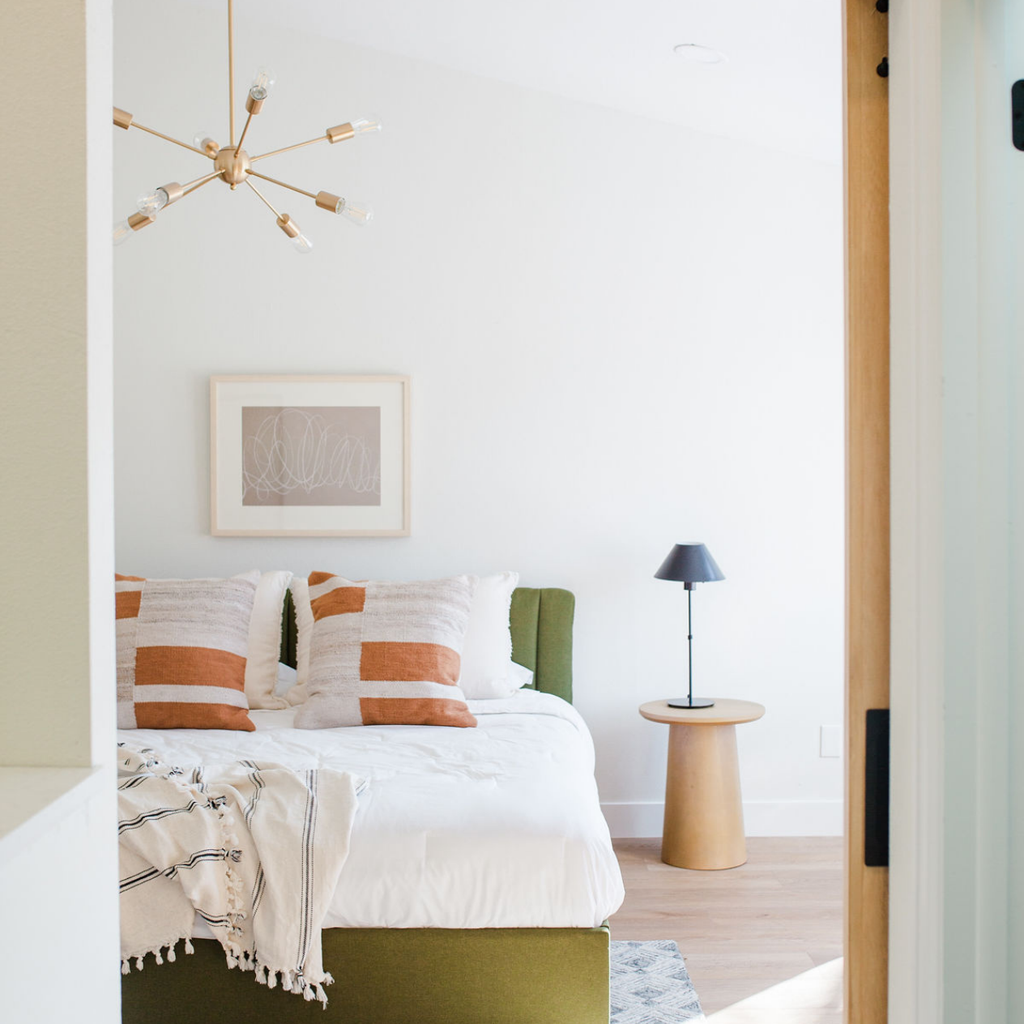
3. Things Buyers Notice When Viewing a House: Natural Light
Light has an incredible influence on how a room feels and how potential buyers perceive the space. A bright, welcoming room can feel open, airy, and inviting, while a darker room might create a sense of warmth and intimacy. However, without thoughtful lighting, those same darker spaces can sometimes feel smaller or less appealing than they actually are. That’s why natural light is one of the first things buyers notice when viewing a house, and it’s something I pay particular attention to when preparing a property for sale.
When I walk through a home, I look at where natural light enters, how it moves through the rooms, and whether the existing furnishings and window treatments are helping or hindering it. Windows, furniture placement, and the visual connection between spaces all contribute to how bright and welcoming a home feels. Sometimes, relatively simple adjustments can make a noticeable difference without requiring expensive improvements.
In older homes, working with natural light can be especially interesting because historic properties weren’t necessarily designed around today’s preference for over-sized windows and open-concept living. You might find smaller windows, deeper window openings, beautiful original trim, or rooms that receive sunlight at particular times of day. These architectural characteristics are often part of what makes an older home special, and I certainly wouldn’t recommend replacing original features simply to make a room appear brighter. Instead, the goal is to work thoughtfully with the natural light that’s available while preserving the home’s character.
How to Make the Most of Natural Light
Before professional photography or showings, there are several simple ways to help your home feel brighter and more inviting:
- Clean the windows: Remove dirt and buildup from the glass, both inside and out where practical, to allow as much natural light into the room as possible.
- Open curtains and blinds: Let natural light become part of the room’s presentation rather than hiding it behind unnecessary window coverings.
- Remove obstructions: Consider relocating furniture, plants, or décor that may be blocking windows or preventing light from reaching the rest of the space.
- Check your lighting: Make sure lamps and light fixtures are clean, functional, and providing adequate illumination.
- Create consistent lighting: Use warm, complementary lighting where additional illumination is needed, particularly in rooms with limited natural light.
- Evaluate heavy window treatments: Dark or over sized curtains can sometimes make a room feel more enclosed than necessary, especially when they cover part of the window even while open.
I also like to evaluate whether furniture placement is supporting the room’s best features or unintentionally working against them. For example, a large piece of furniture positioned directly in front of a window might make perfect sense for everyday living, but it could prevent buyers from appreciating the natural light, original window trim, or beautiful outdoor views. Sometimes, simply moving a chair, repositioning a sofa, or removing an unnecessary piece of furniture can help the entire room feel more balanced and inviting.
A note about older homes
Not every room needs to be bright white or flooded with sunlight. Some historic interiors are naturally more intimate. Beautiful wood paneling, exposed beams, original fireplaces, and warm finishes can create an atmosphere that feels entirely appropriate to the architecture. The objective isn’t to eliminate that character. It’s to make the space feel intentional.
Maijia’s Tip: When possible, schedule photography for a time of day that showcases the home’s best natural light. The right timing can help the photographer capture a room more accurately and attractively.
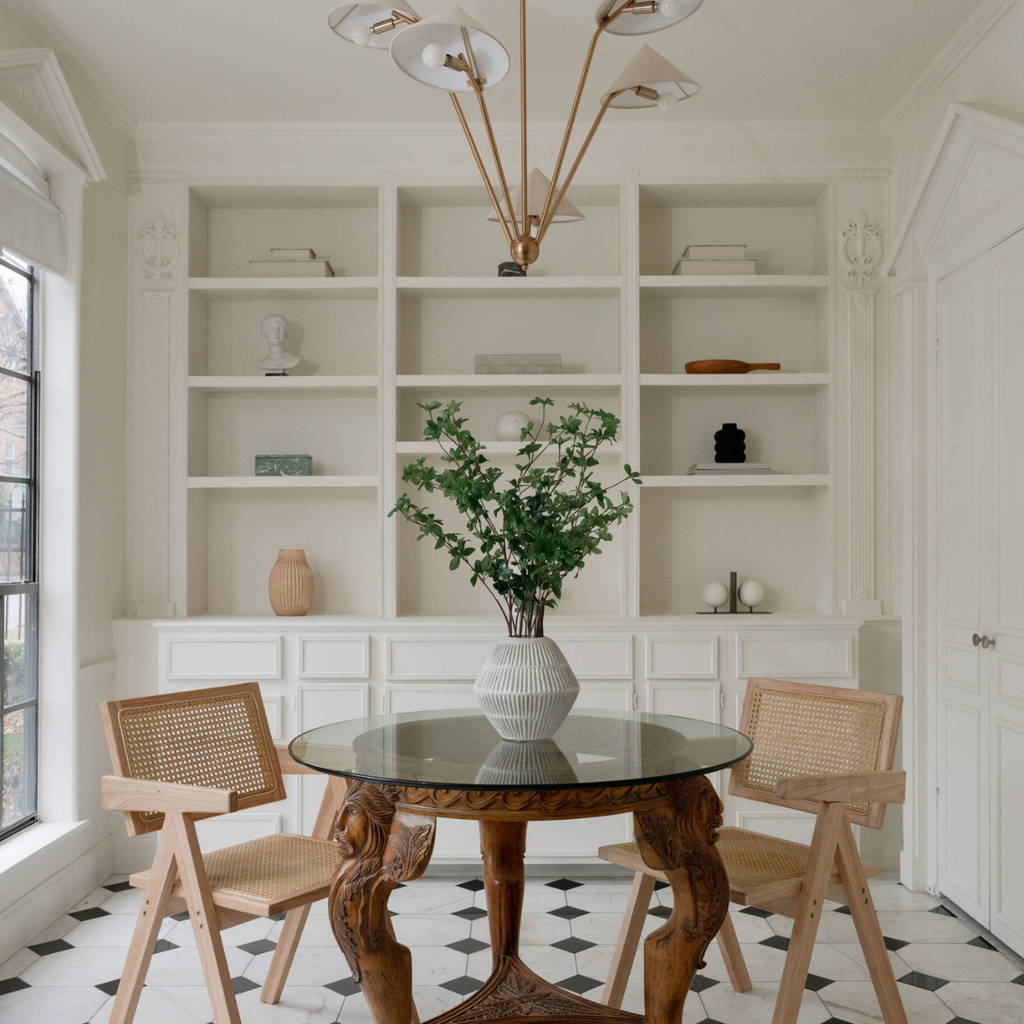
4. Things Buyers Notice When Viewing a House: Where Their Eyes Go First
This is one of my favorite aspects of home staging because it gets to the heart of what staging is really meant to accomplish. Staging isn’t simply decorating a room. It’s directing attention. When buyers enter a space, their eyes naturally settle on certain features, and the question is whether they’re noticing the things that make the home special or getting distracted by everything around them. Understanding where buyers’ eyes go first is one of the most important things buyers notice when viewing a house, and it can make a meaningful difference in how a property is presented.
Imagine walking into a living room with beautiful original hardwood floors, a charming fireplace, and large windows overlooking the backyard. Those are wonderful selling features that deserve to be appreciated. However, if the same room contains over-sized furniture, several decorative collections, crowded bookshelves, and a television dominating an entire wall, buyers may struggle to notice the architectural details that make the space unique. Instead of appreciating the fireplace or natural light, their attention gets pulled in several directions at once.
That’s why I often talk about editing rather than adding when preparing a home for sale. Sometimes the most effective staging decision isn’t bringing something new into a room but thoughtfully removing or rearranging what’s already there. By reducing distractions, we can create a more balanced space that allows buyers to appreciate the home’s strongest features.
How Visual Clutter Affects a Room
Clutter doesn’t necessarily mean a room is messy or poorly maintained. A home can be perfectly clean, beautifully decorated, and comfortable for everyday living while still having too many elements competing for attention. Family photographs, decorative collections, extra furniture, books, artwork, and everyday belongings all contribute to the visual experience of a room. While these personal touches make a house feel like home to the people living there, they can sometimes make it more difficult for potential buyers to focus on the property itself.
When preparing a home for sale, it’s important to look at each room from a different perspective. We’re no longer arranging the space exclusively around the current homeowner’s preferences and daily routines. Instead, we’re helping someone who has never lived in the house understand its layout, appreciate its features, and imagine how the space might work for them. That often means simplifying the presentation and creating opportunities for the eye to rest rather than filling every available surface or corner.
This is especially important in historic and character-filled homes, where original architectural details can easily become lost among furnishings and accessories. Beautiful woodwork, built-in cabinetry, antique fireplaces, and original flooring often have enough visual interest on their own. Giving those features a little breathing room can help them become the focal points they deserve to be.
What I Look for When Staging
When I walk into a room during a staging consultation, I’m not immediately thinking about what decorations I could add. I’m first evaluating how the space functions, where my eye naturally travels, and which features deserve the most attention. I want to understand what makes the room appealing and whether the current arrangement is helping communicate that to potential buyers.
Some of the questions I ask myself include:
- What is the strongest architectural or lifestyle feature? Is it a fireplace, original woodwork, a beautiful view, or perhaps the room’s generous proportions?
- What should a buyer notice first? Does the current arrangement naturally draw attention to that feature?
- Is anything competing with the focal point? Are over-sized furnishings, busy patterns, or decorative collections creating unnecessary distractions?
- Does the furniture support the room’s purpose? Can buyers easily understand how the space is intended to function?
- Would removing or rearranging something improve the presentation? Could a simpler arrangement make the room feel more balanced and inviting?
Sometimes the answer is as straightforward as repositioning furniture to create a better focal point or improve the flow of the room. Other times, removing a few accessories, simplifying a bookshelf, or reducing the number of furniture pieces can make a noticeable difference. And in some of my favorite older homes, the best decision is simply to step back and let a beautiful original architectural detail speak for itself.
Maijia’s Tip: Take a photograph from the doorway of each major room and look at it on your phone rather than standing in the space. Photographs often reveal visual distractions that are easy to overlook in person, especially when you’re accustomed to seeing your home arranged a certain way. Pay attention to where your eye goes first and whether that’s the feature you’d want potential buyers to remember.
Remember, most buyers will encounter your property through online listing photographs before they ever schedule an in-person showing. That’s why I believe staging and professional photography should work together as part of the same marketing strategy. Thoughtful staging helps establish the focal points, while photography captures and communicates those features to potential buyers. When both are approached with intention, the result is a more cohesive presentation that helps your home’s best qualities stand out.
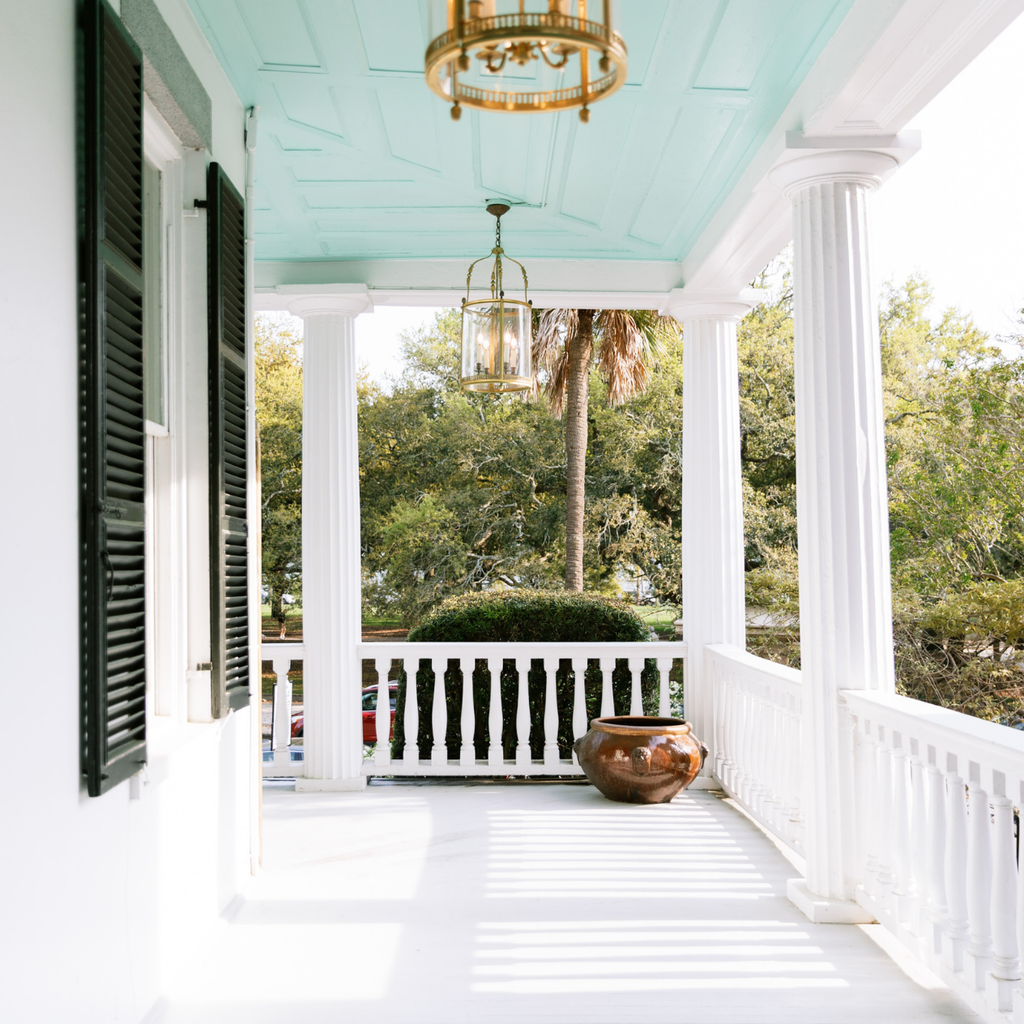
5. Things Buyers Notice When Viewing a House: Flow and Function
Have you ever walked into a room and wondered exactly what it was supposed to be used for? Maybe it’s a small space tucked between the kitchen and living room, a finished attic with sloped ceilings, or an unusual room in an older home that has served several different purposes over the years. These spaces can have wonderful charm and character, but if their function isn’t immediately clear, potential buyers may have difficulty imagining how they would use them in their everyday lives.
One of the important things buyers notice when viewing a house is how easily they can move through the rooms and understand the layout. A home doesn’t necessarily need an open floor plan or over-sized rooms to feel comfortable and functional. However, thoughtful furniture placement can make a significant difference in helping buyers appreciate the space that’s available. When each room has a clear purpose and a natural flow, it’s easier for buyers to envision how the home might accommodate their lifestyle.
Help Buyers Understand the Purpose of Each Room
When buyers walk through a property, they’re often mentally arranging their own furniture and imagining their daily routines. They may be wondering where they would relax in the evening, whether their dining table would fit comfortably, or if there’s a suitable space to work from home. They’re also considering how the layout might accommodate entertaining, family gatherings, or simply moving comfortably from one room to another.
If furniture blocks natural walking paths, rooms feel overcrowded, or the purpose of a space isn’t immediately apparent, buyers may struggle to see its potential. Even a generously sized room can feel awkward when the furniture arrangement doesn’t support how the space is intended to function. Conversely, a smaller room can feel surprisingly comfortable and inviting when its furnishings are appropriately scaled and thoughtfully arranged.
This is where staging becomes particularly valuable because it helps demonstrate how a room can be used without requiring buyers to figure everything out for themselves. Sometimes, defining a space with a simple seating arrangement, a small desk, or a properly positioned dining table is enough to help buyers understand its possibilities. The goal isn’t to dictate exactly how someone should live in the home, but rather to give them a clear starting point for imagining their own lifestyle within it.
Older Homes Require a Different Approach
One of the things I love most about historic and character-filled homes is that they weren’t all designed around the same floor plan. Unlike many newer properties, older homes often have separate parlors, smaller bedrooms, unusual hallways, or rooms that have evolved to accommodate different needs over generations. These architectural differences are part of what makes each property unique, and I don’t believe they automatically need to be changed simply because they don’t reflect today’s most popular layouts.
Instead, I prefer to understand how the home functions today and determine the best way to communicate those possibilities to potential buyers. For example, a small room that might initially seem awkward could make a wonderful reading room, home office, or quiet sitting area. A spacious farmhouse kitchen might naturally serve as the home’s central gathering place, while a cozy living room with an original fireplace could feel especially inviting with an intimate seating arrangement rather than over-sized furniture.
In many older homes, the key is working with the architecture rather than trying to make every room look or function like a modern open-concept space. Original room proportions, built-ins, fireplaces, and other distinctive features often provide natural clues about how a space can be arranged. By respecting those characteristics and choosing furniture that complements them, we can help buyers appreciate both the home’s functionality and its character.
What I Recommend
Before listing your home, take some time to walk through each room as though you’re visiting the property for the first time. Pay attention to how naturally you move from one space to another and whether the furniture arrangement makes sense for someone unfamiliar with the layout. Consider whether each room has a recognizable purpose and if there are any awkward arrangements that might make the space feel more crowded or complicated than it actually is.
Ask yourself a few simple questions as you evaluate each space:
- Can you move comfortably around the furniture? Make sure natural walking paths are clear and that over-sized pieces aren’t creating unnecessary obstacles.
- Does each room have an identifiable purpose? Buyers should be able to understand how a space might function without needing a lengthy explanation.
- Is the furniture appropriately scaled? Large furniture can overwhelm smaller rooms, while too many pieces can make even spacious rooms feel crowded.
- Are the home’s best features easy to appreciate? Consider whether furniture placement highlights or hides original woodwork, fireplaces, windows, or other architectural details.
- Could a different arrangement improve the space? Sometimes moving or removing a few pieces is all that’s needed to create a more comfortable and inviting layout.
You don’t necessarily need to purchase new furniture or completely redesign a room to improve its presentation. In fact, I often find that working with what homeowners already own can be surprisingly effective. Rearranging furniture, removing unnecessary pieces, or giving an underutilized room a clearer purpose can help buyers better understand the home’s possibilities without adding significant expense.
Maijia’s Tip: You don’t need to make every room look larger. You need to make every room feel usable. A smaller room with a clear purpose and comfortable furniture arrangement can be far more appealing than a room that has been emptied in an attempt to make it appear bigger.
That’s an especially important distinction when preparing historic and vintage homes for sale, where the scale, layout, and architectural character are often part of what makes the property special. Rather than trying to disguise those qualities, thoughtful staging can help buyers understand how to enjoy them.
6. Things Buyers Notice When Viewing a House: Signs of Condition and Care
Buyers may not understand every aspect of a home’s construction, but they can certainly recognize visible signs of maintenance and overall care. A dripping faucet, stained ceiling, damaged trim, loose door handle, or peeling paint might seem like a relatively small issue to a homeowner, but these details can raise questions for someone seeing the property for the first time. Sometimes the concerns are purely cosmetic, while other times they may indicate an underlying problem that deserves further investigation. Either way, the condition of a home is one of the important things buyers notice when viewing a house, and it can influence their perception of how well the property has been maintained.
This is why I believe preparing a home for sale should involve much more than decorating or arranging furniture. While staging helps buyers appreciate a property’s layout, features, and potential, addressing visible maintenance concerns can help create a stronger overall impression. The goal isn’t to present a home as perfect or conceal legitimate issues, but rather to demonstrate that the property has been thoughtfully cared for and that necessary repairs haven’t been overlooked.
Small Details Can Influence Buyer Confidence
Imagine walking through two homes with similar layouts, features, and asking prices. In the first home, the doors close properly, the lighting works, surfaces are clean, and visible maintenance items have been addressed. In the second home, several small issues remain unresolved, such as a dripping faucet, a broken light fixture, or damaged trim. Even if the second property has no significant underlying problems, those little details may cause buyers to wonder what other maintenance items haven’t received attention.
When buyers begin noticing multiple small problems, they may start mentally adding up the potential costs and effort involved in addressing them. What might seem like a simple weekend project to the seller could become another item on a buyer’s growing list of concerns. While every buyer evaluates condition differently, a collection of unresolved maintenance issues can sometimes create an impression that a property requires more work than it actually does.
That doesn’t mean every home needs to be completely updated or in flawless condition before going on the market. In fact, many buyers are perfectly comfortable purchasing a home that needs some cosmetic improvements or reflects an older design style. However, there’s an important difference between a home that is dated but well-maintained and one that shows signs of neglected repairs. Understanding that distinction is an essential part of developing an effective preparation and marketing strategy.
What About Historic Homes?
This is where I believe homeowners need particularly thoughtful advice, especially when selling historic, vintage, or character-filled properties. An older home simply isn’t the same as a newly constructed one, and it shouldn’t necessarily be expected to look or feel that way. Original plaster walls, antique flooring, older hardware, and natural variations in historic building materials can all contribute to a property’s charm and authenticity. These features often tell a story about the home’s age, craftsmanship, and evolution over time.
However, there’s an important distinction between authentic character and an active maintenance problem. Beautifully worn hardwood floors may add warmth and personality to a room, while soft, unstable, or significantly damaged flooring could indicate a concern that needs professional attention. Original windows may be worth preserving for their architectural significance, but windows that no longer operate properly or show substantial deterioration may require repairs. Similarly, minor imperfections in historic plaster can be part of an older home’s character, while active water staining or recurring cracks may warrant further investigation.
I don’t believe the goal should be to make every original surface look brand new or to remove the evidence of a home’s history. In many cases, doing so could actually diminish the character that makes the property appealing to buyers who appreciate older homes. Instead, I prefer to evaluate which features are worth preserving, which cosmetic improvements might enhance the presentation, and which maintenance concerns should be addressed before listing.
This is also why I encourage sellers to be selective about renovations. Replacing original materials simply because they’re old or don’t match current trends isn’t always the best decision, particularly when those materials contribute to the home’s architectural identity. Thoughtful repairs, appropriate maintenance, and strategic staging can sometimes accomplish far more than an expensive renovation that removes the very features buyers may find appealing.
Start With a Prioritized Preparation Plan
Before spending money on improvements, I recommend developing a preparation plan that separates necessary repairs from cosmetic enhancements and optional renovations. Not every project deserves the same level of attention, and understanding the difference can help homeowners make more informed decisions about where to invest their time and money. This is especially important when preparing an older property, where renovation costs can sometimes increase once work begins.
I generally encourage sellers to think about potential improvements in three categories:
- Necessary Repairs: These include safety concerns, active leaks, significant defects, malfunctioning systems, or other conditions that may require evaluation by a qualified professional. Addressing these issues should take priority over cosmetic improvements, and sellers should also understand any applicable disclosure obligations.
- Presentation Improvements: These are the relatively straightforward changes that can help a home look and feel its best. Thorough cleaning, paint touch-ups, lighting adjustments, minor cosmetic repairs, furniture rearrangement, and professional staging can all contribute to a more appealing presentation without requiring a major renovation.
- Optional Updates: These include larger projects such as replacing counter-tops, remodeling bathrooms, installing new flooring, or undertaking other significant cosmetic renovations. While some improvements may be worthwhile, others might not provide enough benefit to justify the expense, particularly when the home is being prepared for sale.
For historic and older homes, repair and renovation decisions may also involve additional considerations, including lead paint, asbestos, preservation concerns, or older construction methods that require specialized knowledge. Before disturbing potentially hazardous materials or altering significant architectural features, it’s important to consult qualified professionals and understand any applicable requirements. A well-planned approach can help protect both the home’s character and the homeowner’s investment.
I also encourage sellers to consider how their property compares with other homes in the local market before committing to expensive updates. A renovation that makes sense for one property may be unnecessary for another, depending on its condition, price range, architectural style, and likely buyer audience. This is where combining real estate market knowledge with a staging perspective can be especially valuable, because the preparation plan should support the property’s overall positioning rather than simply follow the latest design trends.
Maijia’s Tip: Don’t automatically renovate something simply because it’s dated. First, determine whether you’re dealing with an actual condition issue, a presentation issue, or simply a feature that doesn’t match current trends. A worn-out component that needs repair, a room that could benefit from better staging, and an original feature that reflects the home’s history are three very different situations, and they shouldn’t all receive the same solution.
Ultimately, the goal is to help buyers recognize that a home has been cared for while still appreciating the qualities that make it unique. By prioritizing necessary maintenance, making thoughtful presentation improvements, and avoiding unnecessary renovations, sellers can prepare their properties more strategically without losing the character that makes them special.
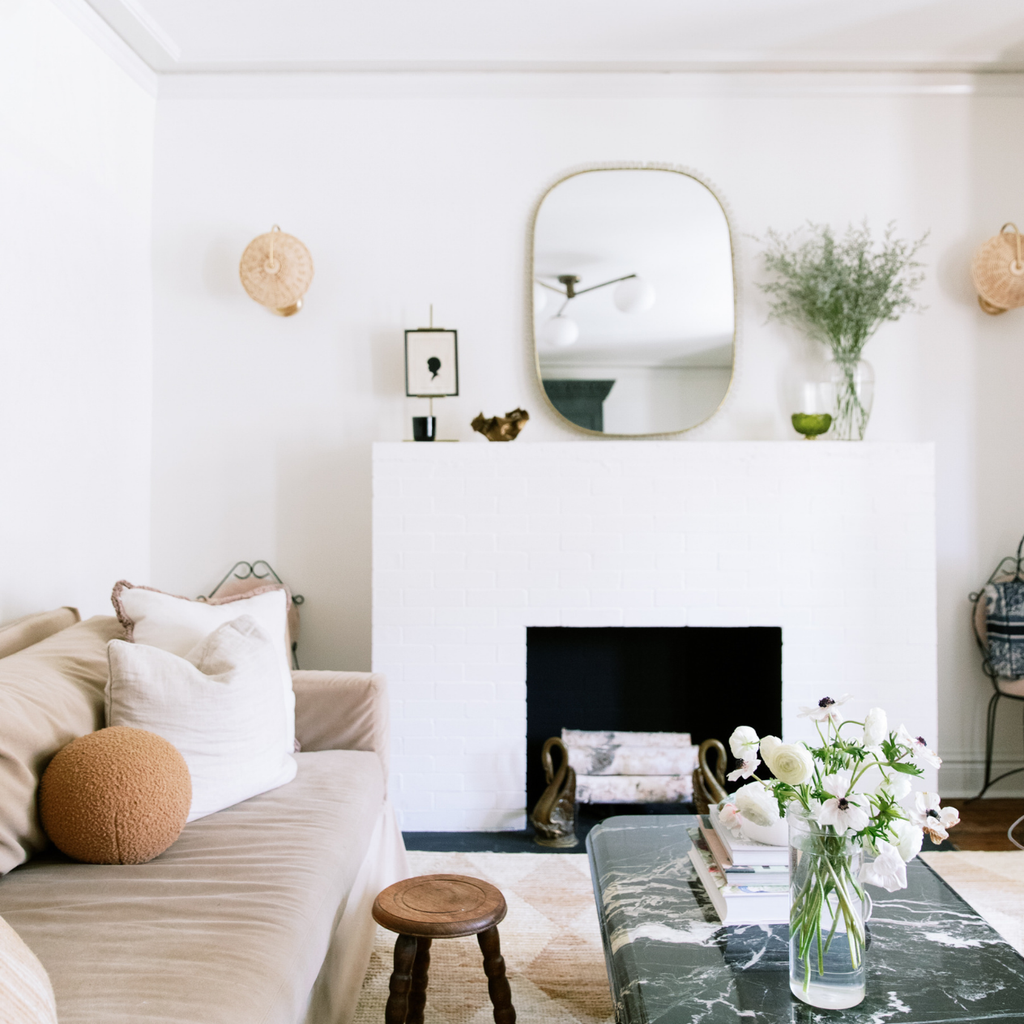
7. Things Buyers Notice When Viewing a House: The Details They’ll Remember
This is where my love of historic, vintage, and character-filled homes really comes into play. When buyers leave a showing, I always think about what I would want them to remember about the property. Ideally, it’s something distinctive and meaningful that sets the home apart from others they’ve toured. Maybe it’s the original staircase, beautiful wide-plank floors, a fireplace surrounded by intricate woodwork, or a cozy window seat overlooking the backyard. It could even be something as simple as an antique built-in cabinet or the view of mature trees through the kitchen window.
These are the details that give a home its personality, and they’re often the features that make a lasting impression. While buyers certainly consider practical factors such as square footage, layout, and condition, the memorable qualities of a home can help it stand out in their minds. That’s why I believe identifying and highlighting a property’s unique features is such an important part of preparing it for sale.
Why Character Matters
I don’t believe every home needs to look like the latest design trend to appeal to buyers. In fact, when preparing older properties for sale, I often find myself encouraging homeowners to preserve the very details that make their homes different. Original woodwork, vintage tile, antique hardware, and unconventional layouts may not appeal to everyone, but they can be exactly what attracts someone who appreciates historic architecture and craftsmanship.
Not every buyer is looking for the same thing, and that’s perfectly okay. Part of effective real estate marketing is understanding what makes a property special and presenting those qualities in a way that resonates with buyers who will appreciate them. A historic home doesn’t need to pretend to be new construction, just as a modest vintage cottage doesn’t need to resemble a luxury renovation. Similarly, a traditional New England farmhouse may lose some of its appeal if every original detail is replaced with something more contemporary.
This is particularly relevant when considering the things buyers notice when viewing a house, because distinctive architectural features can create a memorable impression. Beautifully worn floors, original built-ins, exposed beams, or an antique fireplace might not be found in newer properties, and that’s part of their appeal. Rather than trying to eliminate every sign of age, I believe sellers should consider how those characteristics contribute to the home’s overall identity and whether they can be presented more effectively.
Highlighting the Home’s Strongest Features
When I’m developing a marketing strategy for a property, I think carefully about which features deserve attention during both the staging and photography process. If a home has beautiful original door hardware, I want to consider whether a close-up photograph would help tell its story. If there’s a wonderful staircase or fireplace, I want to make sure the surrounding furniture and décor don’t compete with those architectural details. And if the property includes a stone wall, historic barn, established gardens, or a particularly beautiful setting, those features may deserve their own photographs rather than being treated as secondary details.
These decisions help communicate the property’s identity and create a more complete picture of what makes it special. Real estate photography shouldn’t simply document the existence of each room; it should help prospective buyers understand the home’s layout, appreciate its features, and recognize the qualities that distinguish it from other properties. Thoughtful staging supports that process by directing attention toward the details we want buyers to notice.
I also believe that a home’s unique features should be reflected in its listing description and overall marketing presentation. If original craftsmanship, historic architecture, or a distinctive setting are among the property’s strongest selling points, those qualities should be communicated consistently through the photographs, video, and written description. The goal is to create a cohesive presentation that helps buyers understand what makes the home worth exploring.
Maijia’s Tip: Before listing your home, identify three features that make it different from other properties in your neighborhood. They might be architectural details, a unique layout, a beautiful setting, or something that reflects the home’s history. Then consider whether your staging, professional photographs, and property description will actually draw attention to those features. If not, that’s an opportunity to strengthen your marketing strategy before the home goes on the market.
Why These First Impressions Matter Before Buyers Even Arrive
There’s another important part of this conversation that homeowners shouldn’t overlook. In today’s real estate market, buyers often experience a property online long before they schedule an in-person showing. They see the exterior photograph, scroll through the interior rooms, review the property description, and begin deciding whether the home is worth exploring further. In many cases, the first impression happens on a phone or computer screen rather than at the front door.
This means the same principles we’ve discussed throughout this article also apply to professional real estate photography. Buyers are still noticing the home’s appearance, natural light, furniture placement, overall condition, and architectural features, but now they’re evaluating those details through photographs. If the images are poorly composed, the rooms appear cluttered, or the property’s strongest features aren’t clearly represented, buyers may overlook qualities they would have appreciated in person.
When preparing a home for market, I like to evaluate how the property will appear both during an in-person showing and through the camera lens. Does the exterior create an inviting first impression? Is the natural light being used effectively? Can buyers understand how each room functions, and are the photographs drawing attention to the architectural details that make the property special? I also consider whether the images feel cohesive as buyers move from one room to the next, helping them develop a clear understanding of the home’s layout and overall character.
This is why I don’t believe staging and professional photography should be treated as two unrelated parts of the listing process. They should work together as part of the same preparation and marketing strategy, with decisions about furniture placement, visual distractions, lighting, and focal points made before the photographer arrives. When those elements are considered in advance, the photography has a much better opportunity to showcase the home effectively.
What the Research Says About Staging
The value of staging goes beyond simply making a property look attractive in photographs. According to the National Association of REALTORS®’ 2025 Profile of Home Staging, 83% of buyers’ agents reported that staging made it easier for buyers to visualize a property as their future home. That finding reinforces something I frequently discuss with homeowners: staging is about helping buyers understand a space and imagine how it might fit into their lives.
It’s not necessarily about purchasing expensive furniture, following the latest decorating trends, or creating a picture-perfect interior that looks like it belongs in a design magazine. Instead, effective staging focuses on presenting a property’s layout, functionality, and strongest features in a way that feels inviting and easy to understand. Sometimes that involves bringing in professional staging furnishings, while other times it means rearranging existing furniture, reducing clutter, or making thoughtful adjustments to the rooms that will have the greatest impact.
The right approach depends on the individual property, its condition, the likely buyer audience, and the homeowner’s goals. A vacant house may benefit from furnishings that help define the rooms, while an occupied home might need a more focused plan for editing and rearranging what is already there. In either situation, the objective is the same: to help potential buyers appreciate the home and envision how they might live in it.
Selling an Older Home? Don’t Confuse Character With a Problem
If there’s one message I want owners of historic and vintage homes to take away from this article, it’s that you don’t need to erase your home’s history to prepare it for sale. Older homes have a character and sense of individuality that often come from decades, or even centuries, of craftsmanship, changes, and everyday living. Those qualities can be part of what makes a property appealing, and I believe they deserve thoughtful consideration before making significant updates.
Of course, preserving character doesn’t mean ignoring necessary repairs or overlooking legitimate condition concerns. Homes need to be safe, functional, and properly maintained, and there are certainly situations where repairs or improvements are appropriate. However, I also see tremendous value in knowing when not to change something, particularly when an original feature contributes to the home’s architectural identity.
A dated kitchen isn’t automatically a bad kitchen, just as an older bathroom doesn’t necessarily need to be completely renovated before listing. Original woodwork, antique hardware, vintage tile, and other architectural details shouldn’t be dismissed simply because they aren’t commonly found in newly constructed homes. In some cases, these are the very features that make a property stand out to buyers who appreciate older homes.
Before committing to expensive renovations, I encourage homeowners to consider whether simpler improvements could accomplish the same goal. Would a thoughtful furniture arrangement help the room feel more functional? Could better lighting improve its overall appearance? Would removing unnecessary furnishings allow buyers to appreciate the original architecture? Perhaps a few carefully selected repairs, updated fixtures, or professional staging adjustments would make a greater difference than a major renovation.
These are the kinds of questions I believe should be answered before homeowners invest significant time and money into preparing their property for sale. Every improvement should have a purpose, whether that’s addressing a legitimate condition concern, improving functionality, or helping buyers appreciate the home’s strongest features. This is especially important when selling a property with history and character, where preserving what makes the home unique can be just as valuable as deciding what needs to change.
How I Prepare Central Massachusetts Homes for Market
Every home is different, and I don’t believe in using the exact same preparation checklist or marketing strategy for every property. A historic farmhouse in Petersham may require a very different approach from a contemporary home in Barre, while a vintage cottage in Oakham might have entirely different strengths from a larger property in Hardwick. Each home has its own architecture, condition, layout, setting, and story, and those individual characteristics should help guide the preparation process.
That’s why my approach begins with understanding the property itself rather than immediately recommending a list of improvements. I look at the home’s overall condition, architectural features, layout, furnishings, and presentation, while also considering how it compares with other properties in the local market. From there, I can begin identifying opportunities to improve its presentation, highlight its strongest features, and develop a marketing strategy that makes sense for both the home and the seller.
As a REALTOR® and Certified Home Stager, I bring two perspectives to that process. I’m considering the practical side of selling a property, including its market positioning and likely buyer audience, while also evaluating how staging and presentation can help buyers appreciate what makes the home special. I believe those perspectives should work together from the beginning rather than being treated as separate services.
Preparation Comes Before Promotion
A strong listing doesn’t begin with professional photographs or a For Sale sign in the front yard. It begins with a thoughtful preparation plan that considers what the property needs before it’s introduced to the market. That might include identifying necessary repairs, deciding which cosmetic improvements are worthwhile, rearranging furniture, staging important spaces, preparing the exterior, or developing a photography strategy that highlights the home’s strongest features.
For some properties, the preparation process is relatively straightforward and may involve little more than decluttering, cleaning, minor repairs, and a few staging adjustments. Other homes may benefit from a more detailed plan that addresses maintenance concerns, furniture placement, room functionality, or improvements that could strengthen the property’s presentation. The important thing is that those decisions are made intentionally rather than simply following a generic checklist or assuming every dated feature needs to be replaced.
I also believe that preparing a home for sale should involve being mindful of the homeowner’s time and budget. Not every improvement will make financial sense, and spending more money doesn’t automatically result in a stronger listing. My goal is to help sellers prioritize the work that matters most, avoid unnecessary expenses when possible, and create a preparation plan that supports the property’s overall marketing strategy.
Staging and Marketing Should Tell the Same Story
One of the advantages of being both a REALTOR® and Certified Home Stager is the ability to connect the preparation process directly with the way a property is marketed. When I’m evaluating a room, I’m not only considering how to make it feel more inviting or functional. I’m also thinking about how it will photograph, which features should be highlighted, and how those details contribute to the overall story we’re communicating to potential buyers.
That continuity is especially important for historic and character-filled homes, where the most memorable details aren’t always obvious in a standard room-by-room presentation. Original craftsmanship, unusual architectural features, and distinctive settings often deserve a more thoughtful approach to staging and photography. By identifying those qualities early in the process, we can make sure they’re reflected throughout the listing’s marketing rather than becoming details that buyers only discover during an in-person showing.
I want the professional photographs, listing description, video, and showing experience to feel connected and consistent. Buyers should be able to recognize the same strengths and character whether they’re browsing the listing online or walking through the front door for the first time. When staging and marketing work together, the result is a more cohesive presentation that helps buyers understand not only what the property offers, but also what makes it special.
Ultimately, that’s what Every Home Tells a Story is all about. It’s not simply preparing a house to look attractive for photographs or following the latest real estate marketing trends. It’s about understanding the home, recognizing what deserves attention, and presenting it thoughtfully so potential buyers can appreciate its features, functionality, and individual character.
Frequently Asked Questions About Preparing a House for Sale
What is the first thing buyers notice when entering a house?
Buyers may notice several things immediately, including the entryway, smell, natural light, cleanliness, and the overall feeling of the space.
The first impression often begins outside, with the home’s exterior and arrival experience.
That’s why I recommend evaluating the property from the street all the way through the front door.
Should I stage my house before selling?
Staging can help buyers understand how a home functions and imagine themselves living there.
It doesn’t always require renting furniture or completely redecorating.
In some cases, editing existing furnishings, improving furniture placement, and preparing rooms for photography can make a meaningful difference.
Do I need to renovate my kitchen before selling?
Not necessarily.
The answer depends on the kitchen’s condition, the property’s overall market position, the likely buyer audience, and the cost of improvements.
A dated but functional kitchen may benefit from cleaning, lighting, minor repairs, or styling rather than a full renovation.
I recommend reviewing those options before making a major investment.
What should I do first when preparing an older home for sale?
Start with a property-specific preparation plan.
Identify necessary repairs, maintenance concerns, presentation opportunities, and the architectural features worth highlighting.
For historic homes, it’s especially important to distinguish between authentic character and actual condition problems.
Can original features help sell a historic home?
They can be an important part of a home’s appeal.
Original woodwork, flooring, built-ins, fireplaces, hardware, and other architectural details may attract buyers who appreciate older properties.
The key is to present those features thoughtfully while also addressing legitimate maintenance and safety concerns.
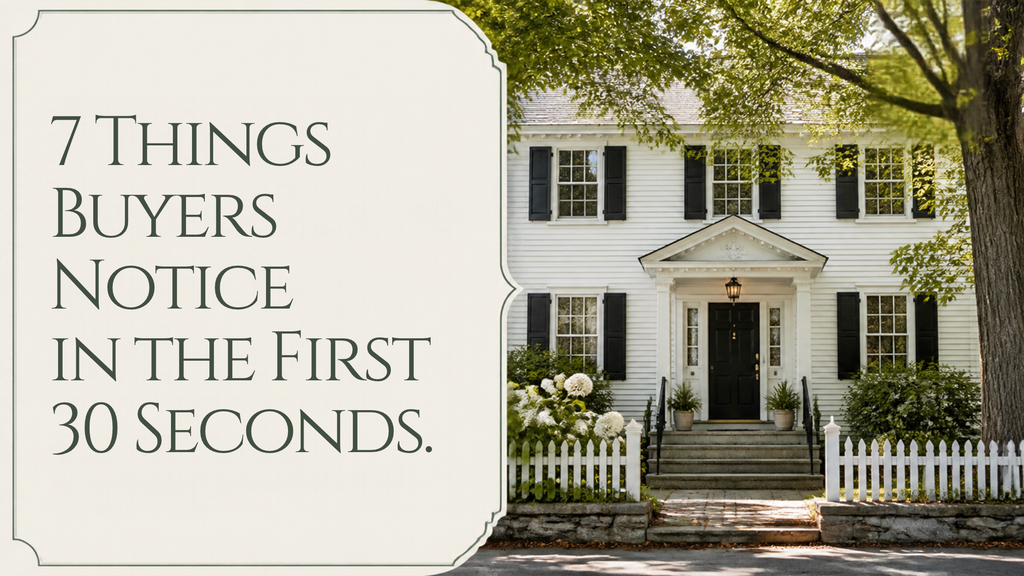
Watch the Video: 7 Things Buyers Notice in the First 30 Seconds
Want to see how these ideas come together?
In this month’s YouTube video, I walk through the seven things buyers may notice almost immediately when touring a property and explain why small presentation decisions can make such a difference.
If you’re preparing to sell a home in Petersham or the surrounding Central Massachusetts communities, these are some of the details worth considering before your property goes on the market.
Before You Put Up the For Sale Sign, Start With a Plan
Selling your home involves much more than choosing an asking price and scheduling professional photographs. It’s about understanding what makes your property special, identifying its strengths, making thoughtful preparation decisions, and presenting it in a way that helps potential buyers recognize its value. Every home has its own features, challenges, and opportunities, which is why I believe the preparation process should be tailored to the individual property rather than following a one-size-fits-all approach.
If you own a historic, vintage, or character-filled home, that process deserves particular care. You don’t necessarily need to modernize every room, replace original features, or follow the latest design trends to make your property appealing to buyers. In fact, some of the details that make an older home different are often the very qualities worth preserving and highlighting. Before investing in expensive improvements, it’s important to consider whether those changes will genuinely enhance the home’s presentation or simply remove some of its unique character.
Sometimes, the smartest preparation decision isn’t about what you should change, but knowing what to leave alone. By focusing on necessary repairs, thoughtful staging, and a marketing strategy that highlights the home’s strongest features, you can prepare your property for sale without losing the personality and history that make it special.
If you’re thinking about selling your home in Petersham, Barre, Oakham, Hardwick, or the surrounding Central Massachusetts area, I’d love to help you develop a plan that makes sense for your property.
Start by exploring my Historic Home Seller Guide, or reach out to discuss a personalized preparation and marketing strategy.
Because every detail matters.
Every Home Tells a Story.
Maijia Donovan | REALTOR® & Certified Home Stager | eXp Realty
Specializing in historic, vintage, and character-filled homes throughout Central Massachusetts.