
When homeowners start thinking about selling, one of the first questions they ask is what they should repair or update. But knowing what not to fix before selling your house can be just as important—and may save you thousands of dollars in unnecessary renovations.
Preparing a home for sale does not mean renovating everything that is dated, imperfect or showing its age.
In fact, one of the most expensive mistakes I see homeowners make is spending thousands of dollars fixing things that either won’t meaningfully improve their sale. Or, in some cases, they actually remove some of the character that would have appealed to the right buyer.
This is especially true when you’re selling an older, vintage or historic home.
The goal before listing isn’t to make your house perfect.
It’s to decide which improvements will help buyers see its value—and which ones aren’t worth your time, money or energy.
So before you start tearing out cabinets or scheduling contractors, here are seven projects I would think very carefully about.
🎥 Prefer to Watch?
What NOT to Fix Before Selling Your House
1. Don’t Automatically Replace a Dated Kitchen
Yes, kitchens matter to buyers.
No, that doesn’t mean you need to spend tens of thousands of dollars remodeling yours before you sell.
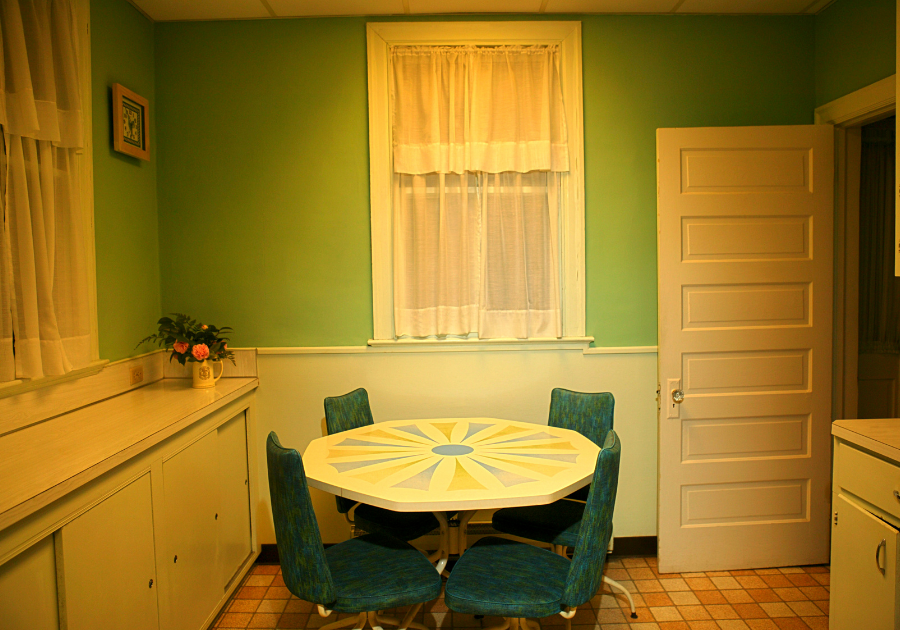
A kitchen can be dated and still be perfectly functional.
Maybe the cabinets are oak. Maybe the counters aren’t the newest style. Maybe the appliances aren’t all brand-new stainless steel.
That doesn’t automatically make the kitchen a problem.
A major renovation shortly before selling creates another issue: you’re choosing finishes for a buyer you haven’t met.
You might spend $30,000 creating your version of the perfect kitchen only to have the eventual buyer think, I would have chosen completely different cabinets.
For many sellers, the better approach is to make the existing kitchen look its absolute best.
Deep clean it. Declutter the counters. Remove excess items from open shelves. Touch up obvious damage. Replace a broken fixture if necessary. Make sure the lighting is good. Then style and photograph the room intentionally.
Those relatively inexpensive changes can completely alter how a kitchen presents online.
Older-home exception: think before removing character
This becomes even more important in vintage and historic properties.
Original cabinetry, built-ins, hardware, woodwork, farmhouse sinks and other period details may not look “new”—but new isn’t always the goal.
Sometimes those are precisely the details that give an older home its identity.
Before replacing them, ask whether you’re actually correcting a problem or simply removing something because it isn’t modern.
When deciding what not to fix before selling your house, a functional but dated kitchen should be evaluated carefully before you commit to a major remodel.
2. Don’t Renovate a Functional Bathroom Just Because It’s Dated
Bathrooms create the same temptation.
Homeowners look at an older vanity or tile and immediately assume:
“We need to redo this before we list.”
Maybe.
But often, you don’t.
There’s an enormous difference between a bathroom that is dated and one that is deteriorated.
A leaking toilet, active water damage, damaged flooring or non-functioning fixtures deserve attention.
A perfectly functional bathroom with finishes from another decade?
That’s a different conversation.
Sometimes cleaning, fresh caulk, a new shower curtain, fresh towels, simplified accessories and better lighting will do far more for presentation than sellers expect.
And again, older houses deserve special consideration.
That vintage tile you’ve been apologizing for for 15 years?
The right buyer might love it.
The question isn’t “Is it new?”
Ask:
Is it clean, functional and presented well?
Those are very different standards.
3. Don’t Replace Good Flooring Simply Because It Isn’t Trendy
Flooring is another project where sellers can spend a lot of money very quickly.
Before replacing floors throughout the house, determine what you’re actually trying to solve.
Damaged flooring may need attention.
But flooring that’s simply older or not currently fashionable doesn’t necessarily need to go.
And if your house has original hardwood?
Please don’t automatically cover it with gray luxury vinyl plank because you think buyers expect something newer.
For character-home buyers, original flooring can be part of the appeal—even when it carries some evidence of the home’s age.
That doesn’t mean badly damaged floors should be ignored. Depending on their condition, refinishing may make sense.
But there’s a big difference between restoring something valuable and replacing something because it isn’t new.
Flooring is a perfect example of why what not to fix before selling your house depends on the property itself—especially when original materials contribute to its character.
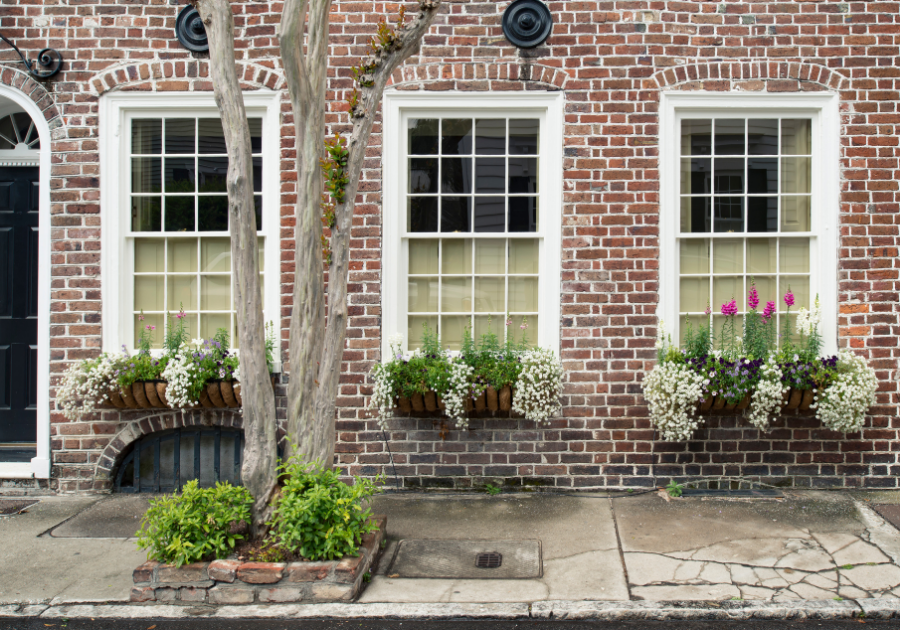
4. Don’t Replace Every Window Just Because They’re Older
This one can get expensive fast.
If you’ve lived with older windows for years, it’s easy to assume buyers will immediately object to them.
But replacing an entire house full of windows immediately before selling can represent a substantial investment—and one you may not fully recover in the sale.
Instead, evaluate their actual condition.
Do they open?
Do they close and lock?
Are panes broken?
Is there obvious deterioration?
Those are more meaningful questions than simply asking how old they are.
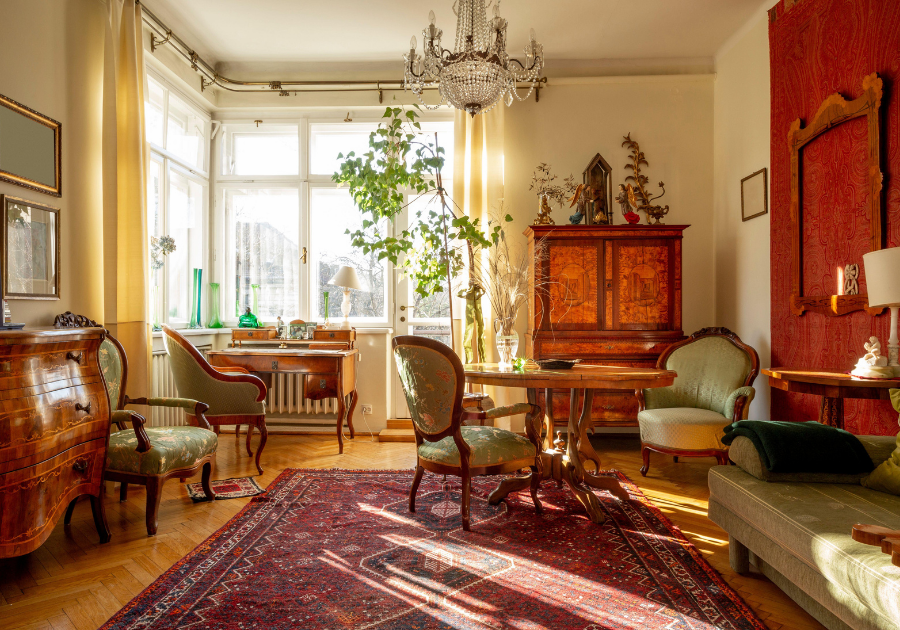
This is especially important with historic homes because original windows can contribute to the architectural character of the property.
That doesn’t mean every old window must be preserved at all costs. It means this decision deserves more thought than:
“They’re old, so they have to go.”
There may also be preservation considerations for historically significant properties or homes in regulated historic districts, so homeowners should verify any applicable local requirements before altering significant exterior features.
5. Don’t Repaint Every Room Just Because the Internet Told You To
Fresh paint is one of my favorite preparation tools.
But that doesn’t mean every room automatically needs to become beige, white or greige.
Paint is worth considering when:
- colors are extremely personalized or distracting,
- walls are dirty or badly scuffed,
- patching is obvious,
- several competing colors make the home feel visually chopped up, or
- a darker color is making an already-small room feel smaller.
But a beautiful room with intentional color?
It may be perfectly fine.
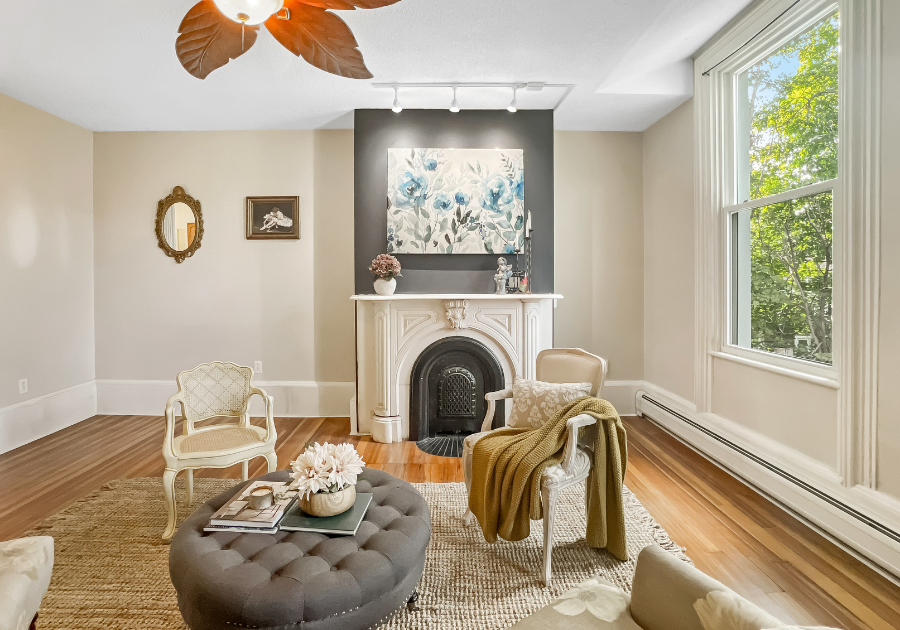
In character homes especially, color can complement architecture rather than detract from it.
Deep greens, warm blues, muted historical colors and even wallpaper can work beautifully when they’re appropriate to the house.
The goal of pre-listing paint isn’t to remove every ounce of personality.
It’s to keep the finishes from distracting buyers from the home itself.
Staging should solve some problems before renovation does
Before you repaint an entire house, I’d first look at:
- furniture placement,
- visual clutter,
- lighting,
- textiles,
- artwork,
- window treatments, and
- how the room will photograph.
Sometimes what feels like a “paint problem” is really a presentation problem.
6. Don’t Remove Original Features Simply Because They’re Old
This may be the biggest one for me.
If you own an older home, please be careful before removing original features in the name of “updating.”
I’m talking about things like:
- original doors,
- antique hardware,
- built-in cabinetry,
- wood trim,
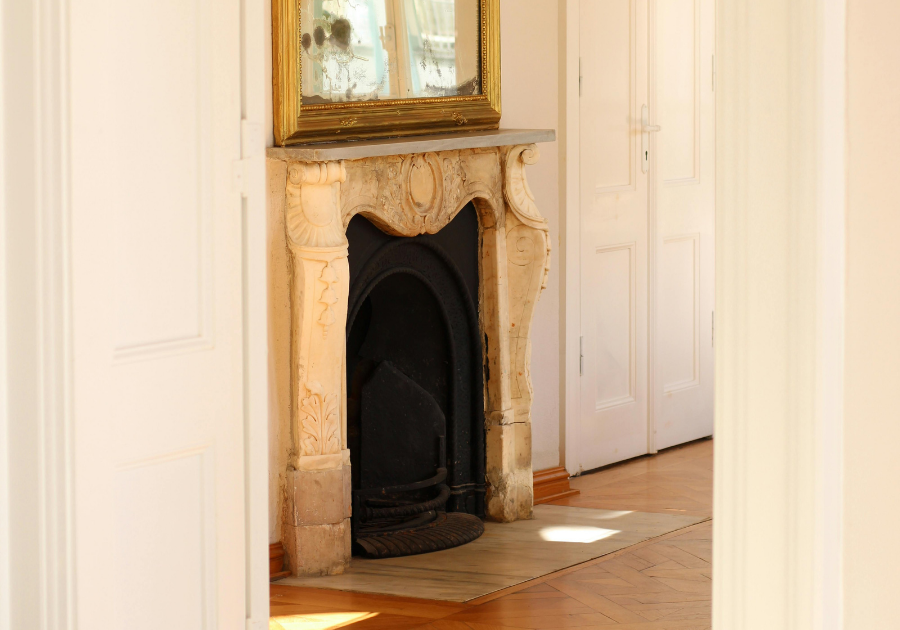
- mantels,
- old staircases,
- exposed beams,
- unusual windows,
- vintage tile, and
- architectural details you couldn’t easily recreate today.
Not every old feature is worth preserving.
But age alone isn’t a reason to remove something.
A house built in 1820 shouldn’t necessarily look like a house built in 2026.
And increasingly, the buyers drawn to character homes aren’t looking for that anyway.
They may want the quirks.
They may want the craftsmanship.
They may want the floors that aren’t perfectly level and the built-ins that clearly belong to another era.
That doesn’t mean hiding material defects or ignoring necessary repairs. Those are separate issues.
It means understanding the difference between a defect and character.
That distinction is one reason I approach older-home preparation differently from preparing a newer property.
7. Don’t Try to Fix Every Little Imperfection
This may be the most freeing one.
Your house does not need to be perfect before you sell it.
Read that again.
After years of living somewhere, homeowners know every single flaw.
You know the tiny nick in the baseboard.
You know which cabinet door isn’t perfectly aligned.
You know about that little scratch on the floor from when someone dragged the furniture across it eight years ago.
Once sellers decide to move, they sometimes start seeing their home through a magnifying glass.
Buyers generally don’t.
They experience the house as a whole.
They notice whether it feels cared for.
They notice whether it’s clean.
They notice light, room size, layout, storage, condition and atmosphere.
And online, they’re making those judgments incredibly quickly from the photographs.
That’s why preparation needs to be strategic rather than exhaustive.
You have limited time, money and energy before selling.
Spend those resources where they’re most likely to change a buyer’s perception of the property.
Part of knowing what not to fix before selling your house is recognizing the difference between something buyers will see as a genuine concern and something that’s simply evidence of a well-lived-in home.
How to Decide What NOT to Fix Before Selling Your House
This is where the answer becomes property-specific.
Generally, I give greater priority to issues involving:
Safety. Function. Active deterioration. Obvious deferred maintenance. And anything that substantially hurts the home’s first impression.
A loose handrail deserves more attention than an unfashionable cabinet.
An active leak deserves more attention than dated tile.
Peeling exterior paint may deserve more attention than replacing perfectly functional appliances.
And a front entrance that feels neglected may deserve attention before an expensive cosmetic renovation in a secondary room.
The exact priorities also depend on your house, likely buyer, price range, financing considerations and local competition.
That’s why I don’t love generic online lists telling every seller to complete the same 15 improvements.
Different houses need different preparation strategies.
The Better Question: What Will Actually Help This House Sell?
This is where my work as both a Realtor® and Certified Home Stager overlaps.
When I walk through a house before listing, I’m not looking for everything I could possibly change.
I’m asking:
Where will the seller’s time and money make the biggest difference?
Sometimes that’s paint.
Sometimes it’s decluttering 50% of what’s in a room.
Sometimes we move furniture.
Sometimes we swap a light fixture.
Sometimes we repair something buyers are likely to notice.
And sometimes my recommendation is:
Leave it alone.
That’s particularly important for older homes.
The objective isn’t to erase the home’s history before bringing it to market.
It’s to help buyers recognize what makes the property special while removing the distractions that prevent them from seeing it.
What NOT to Fix Before Selling Your House: Historic or Character Home Edition
If you’re selling a vintage, antique or historic property, I’d be especially cautious about undertaking major renovations immediately before listing.
Buyers seeking these homes may value features that a conventional renovation plan would remove.
Original millwork, hardwood floors, doors, built-ins, fireplaces and unusual architectural details help differentiate one property from another.
Your preparation strategy should ideally preserve those strengths while addressing the things that make the house feel neglected rather than historic.
That’s the difference between:
“This house is old.”
and
“This home has character.”
Presentation has a lot to do with which story buyers see.

Before You Call a Contractor, Call Your Realtor
This might sound backwards.
Aren’t you supposed to repair the house before you call the Realtor?
Not necessarily.
I’d much rather walk through a seller’s home before they’ve spent the money.
Once you’ve replaced the counters, painted the original woodwork or ripped out the bathroom, we can’t undo the expense.
A pre-listing walk-through lets us prioritize.
We can identify what needs attention, what would simply be nice to do and what I’d recommend leaving exactly as it is.
That can potentially save you money, but it can also save something equally valuable:
time.
Preparing for a move is already a lot.
You don’t need a three-month renovation project if the house doesn’t need one.
If you’re unsure what not to fix before selling your house, getting advice before hiring contractors can help you prioritize the projects most likely to matter to buyers.
Still Unsure What Not to Fix Before Selling Your House?
If you’re considering selling this fall, next spring or even farther down the road, you don’t need to have everything figured out before reaching out.
In fact, earlier is better.
My approach to listing preparation combines real estate strategy with professional home staging so we can decide what will actually help your home—and what isn’t worth doing.
For older, vintage and character homes, that also means being thoughtful about the features that make your property unique.
Because preparing a house to sell shouldn’t mean stripping away its story.
It should mean helping the right buyer see it.
Ultimately, what not to fix before selling your house is just as important as knowing what to improve.
Own an Older Home? Start Here.
Thinking about selling a historic, vintage or character home in Central Massachusetts?
Download my Historic Home Seller Guide for more guidance on preparing, positioning and marketing an older home without losing what makes it special.
[DOWNLOAD THE FREE HISTORIC HOME SELLER GUIDE →]

Or, if you’re already thinking seriously about selling, reach out for a pre-listing conversation. We’ll start with what your home actually needs—not a generic renovation checklist.