Choosing the best paint colors for original woodwork can make a huge difference when preparing an older home for sale. If your home has original wood trim, built-ins, doors, staircases, or hardwood floors, the wall color you choose can either highlight that craftsmanship beautifully or make the woodwork feel darker, heavier, more orange, or more outdated than it really is.
This is especially important in Central Massachusetts, where many vintage, antique, and character-filled homes still have beautiful original woodwork. These details are often part of what makes the home special. But when the wrong wall color is placed next to warm wood trim, the room can suddenly feel disconnected or dated.
If you have original woodwork in your home and you’re thinking about painting it white before selling, pause for a second before you do.
Painting original wood trim white may seem like the fastest way to modernize an older home, but it is not always the best choice. In many cases, the better approach is to choose paint colors that work with the original woodwork instead of fighting against it.
The right wall color can soften the contrast, balance the warmth, and make the woodwork feel intentional, elevated, and timeless.
Should You Paint Original Woodwork Before Selling?
One of the most common questions homeowners ask before listing an older home is: “Should I paint the wood trim?”
In most cases, my answer is: not automatically.
That does not mean original woodwork can never feel dated. Sometimes it can, especially if the room has old paint colors, heavy window treatments, dated lighting, too much furniture, or finishes that clash with the wood. But that does not always mean the woodwork itself is the problem.
Often, the issue is everything around it.
Original woodwork adds warmth, depth, craftsmanship, and history. Many buyers who are looking at older homes are specifically drawn to those details. They want something with character. They want a home that feels different from newer construction. They want charm, texture, and a sense of story.
When sellers paint over original woodwork too quickly, they can accidentally remove one of the features that made the home memorable in the first place.
That’s why it is important to look at the full picture before making that decision. Sometimes the better strategy is to update the wall color, improve the lighting, simplify the furnishings, and stage the room in a way that helps the original woodwork shine.
Your goal is not to erase the home’s story.
Your goal is to help buyers see how beautifully that story can live today. If you want inspiration for timeless, older-home-friendly colors, collections like the Benjamin Moore Historical Collection can be a helpful starting point.
Why Paint Colors Matter So Much With Original Wood Trim
Older homes were often designed around warmer, layered materials. Think wood trim, wood floors, plaster walls, built-ins, traditional staircases, original doors, and softer natural light.
Many modern paint trends were created for a completely different type of home. Bright white walls, cool gray paint, and high-contrast modern palettes often look best in newer homes with white trim, open floor plans, large windows, and cooler finishes.
But older homes are different.
When you place a stark modern color in a room with warm original wood trim, the color can feel out of place. The contrast may become too sharp. The wood may look darker than it actually is. Golden oak may suddenly look orange. Deep stained trim may feel heavy. A room that could have felt warm and charming can start to feel cold or disconnected.
This is why wall color matters so much in homes with original woodwork.
The right paint color can make the wood trim feel like an intentional part of the design. It can create balance between the walls, floors, trim, furniture, and lighting. Instead of making the original woodwork feel like something that needs to be hidden, the right color helps it feel like an asset.
Best Paint Colors For Original Woodwork #1: Warm Creams
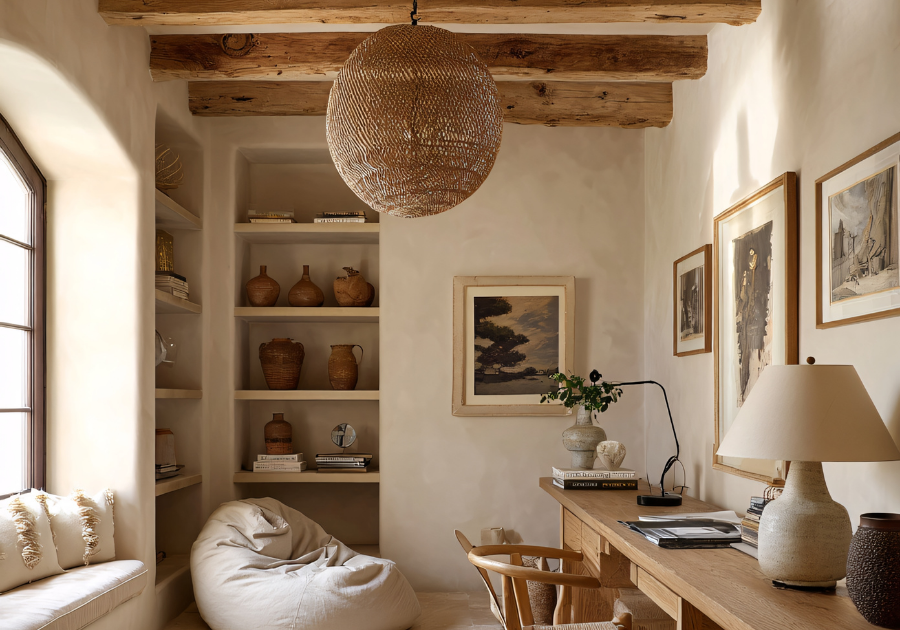
One of the best paint colors for original woodwork is warm cream.
Warm cream is very different from stark white. This distinction matters.
Bright white walls can create a sharp contrast against older wood trim. While that might sound clean and fresh in theory, in reality it can sometimes make the woodwork look darker, heavier, or more orange by comparison. Instead of softening the room, stark white can make the trim stand out in a harsh way.
Warm cream does the opposite.
A soft cream color creates a gentler transition between the wall and the wood. It allows the trim to feel integrated into the room instead of visually separated from it. This works especially well in older New England homes, where the natural light may be softer and the wood tones are often warmer.
Warm cream can make a room feel:
- Brighter without feeling stark
- Fresh without feeling cold
- Updated without feeling stripped of character
- Warm and welcoming in photos
- Soft and inviting in person
This is especially helpful when preparing a home for sale because buyers usually see the home online before they ever walk through the front door. A warm cream wall color can help rooms photograph beautifully while still preserving the warmth buyers expect in a character home.
Warm creams work well in living rooms, hallways, bedrooms, dining rooms, and rooms with medium to dark wood trim. They can also be a good choice when the home has warm wood floors and you want the space to feel lighter without creating too much contrast.
The key is to choose a cream that feels warm and soft without becoming too yellow. A cream that is too yellow can make the whole room feel dated, while a cream that is too white may create too much contrast.
Best Paint Colors For Original Woodwork #2: Muted Greens
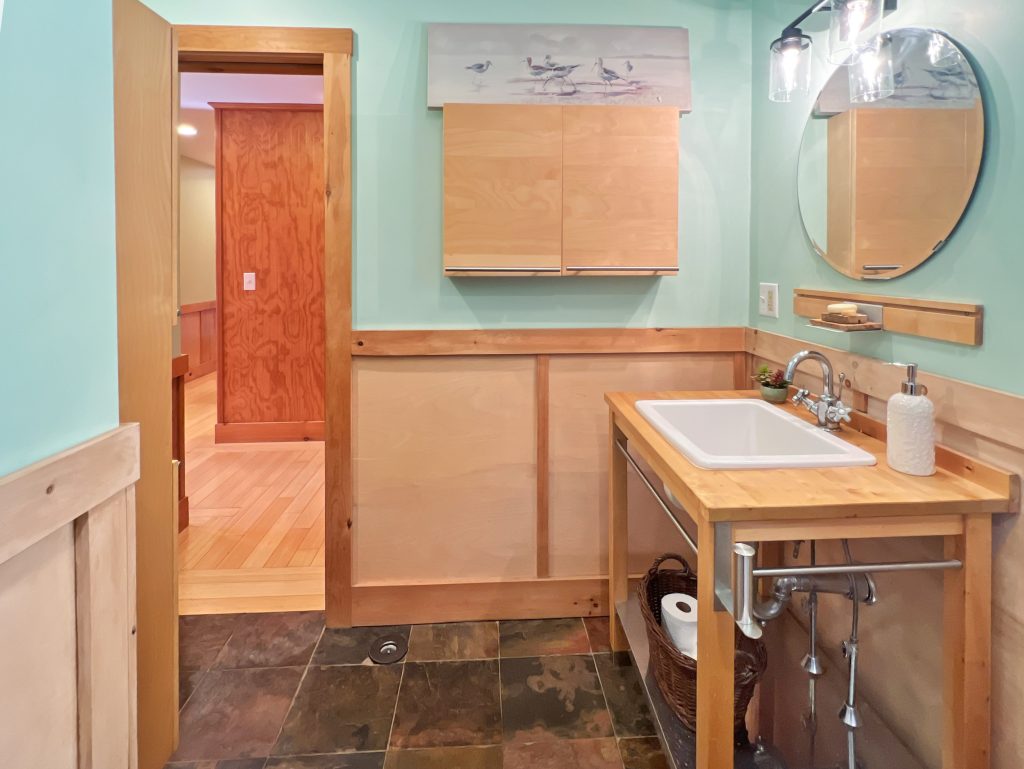
Muted greens are another beautiful paint color option for homes with original wood trim.
Sage, olive, dusty green, gray-green, and other softened green tones often work beautifully with warm woodwork. These colors feel grounded, historic, and connected to nature, which makes them a natural fit for vintage and antique homes.
Unlike cool gray, which can sometimes clash with warm wood tones, muted green often complements the warmth of the trim. It gives the room personality without feeling overly trendy. It can also make original woodwork feel rich and intentional rather than heavy or outdated.
Muted greens work especially well in:
- Dining rooms
- Libraries
- Bedrooms
- Offices
- Sitting rooms
- Homes with antique or vintage furniture
- Rooms with natural textures like linen, wool, leather, or woven accents
A muted green can be a great choice when you want the room to feel cozy, elevated, and timeless. It also works well in homes where you want to honor the historic character without making the space feel old-fashioned. English heritage paint colors from Benjamin Moore can offer beautiful examples of softer, traditional green tones.
For sellers, muted green can be a smart choice in the right room because it gives buyers an emotional reaction. It feels calm. It feels warm. It feels thoughtful. It can help buyers remember the room without making the color feel too personal or distracting.
The important thing is to keep the green muted. Bright, saturated, or overly trendy greens can be harder for buyers to connect with. Soft, earthy greens usually feel more timeless and flexible.
Best Paint Colors For Original Woodwork #3: Warm Greige and Taupe
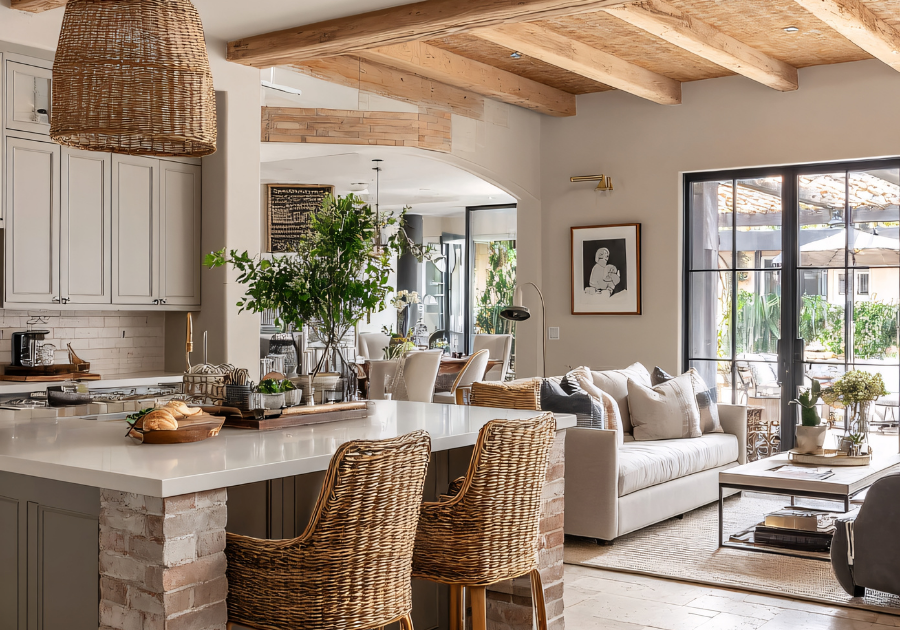
If you want a more neutral paint color for original woodwork, warm greige and taupe are often better choices than cool gray.
For years, gray was one of the most popular neutral paint colors. But cool gray can be tricky in older homes, especially when the home has warm wood trim, warm wood floors, original doors, or traditional lighting.
Cool gray and warm wood often fight each other.
The gray can make the wood look more orange. The wood can make the gray look colder. The room may start to feel disconnected because the undertones are competing instead of working together.
Warm greige and taupe help solve that problem.
These colors sit in a softer, warmer neutral family. They can bridge the gap between the trim, floors, furniture, and lighting. They help the room feel updated without making it feel cold.
Warm greige and taupe can be especially helpful if you are preparing a home for sale and want a neutral look that still respects the character of the home.
These shades work well in:
- Living rooms
- Bedrooms
- Hallways
- Family rooms
- Rooms with mixed wood tones
- Homes with both older and newer finishes
A warm greige can make a room feel calm and current, while taupe can add a little more depth and richness. Both can be great options when you want buyers to focus on the space, the architecture, and the original details rather than the wall color itself.
Best Paint Colors For Original Woodwork: Dark Original Wood Trim
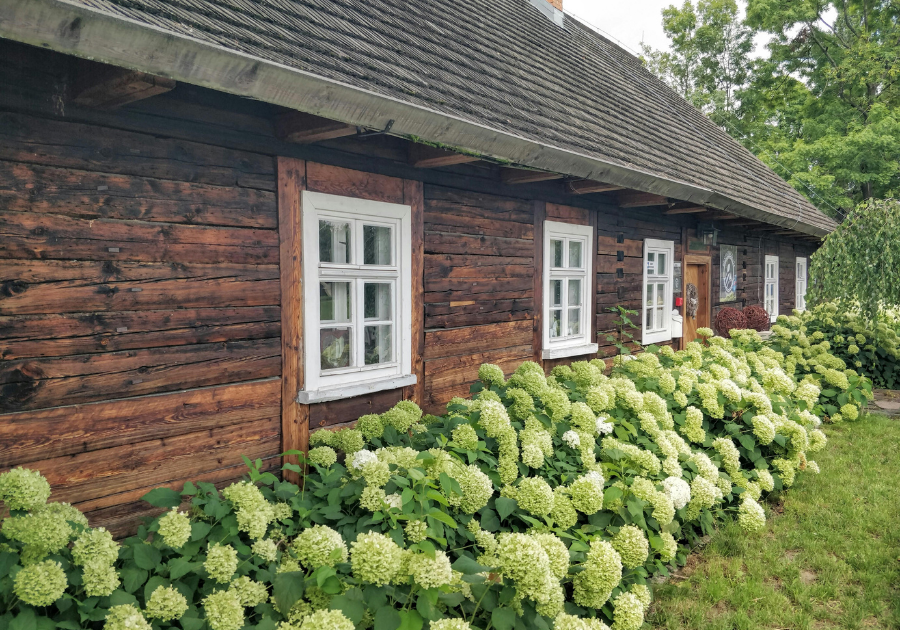
Dark original wood trim can be absolutely beautiful, but it needs the right wall color around it.
If the wall color is too dark, the room can feel heavy. If the wall color is too bright or stark, the contrast can feel harsh. The goal is to find a wall color that gives the room enough lift without making the trim feel severe.
Some of the best wall colors for dark wood trim include:
- Warm cream
- Soft ivory
- Warm beige
- Muted sage green
- Dusty olive
- Warm greige
- Soft taupe
- Gentle mushroom tones
With dark wood trim, you usually want to avoid colors that are too cool, too bright, or too stark. A bright white wall next to dark trim may seem like a safe choice, but it can sometimes create a high-contrast look that feels more dated than updated.
A softer wall color usually works better because it allows the dark wood to feel rich and architectural instead of heavy.
If you are selling a home with dark original wood trim, staging also matters. Lighter rugs, simplified furniture, updated lamps, and softer textiles can help balance the room so the woodwork feels special rather than overwhelming.
Best Paint Colors For Original Woodwork: Golden or Orange-Toned Wood Trim
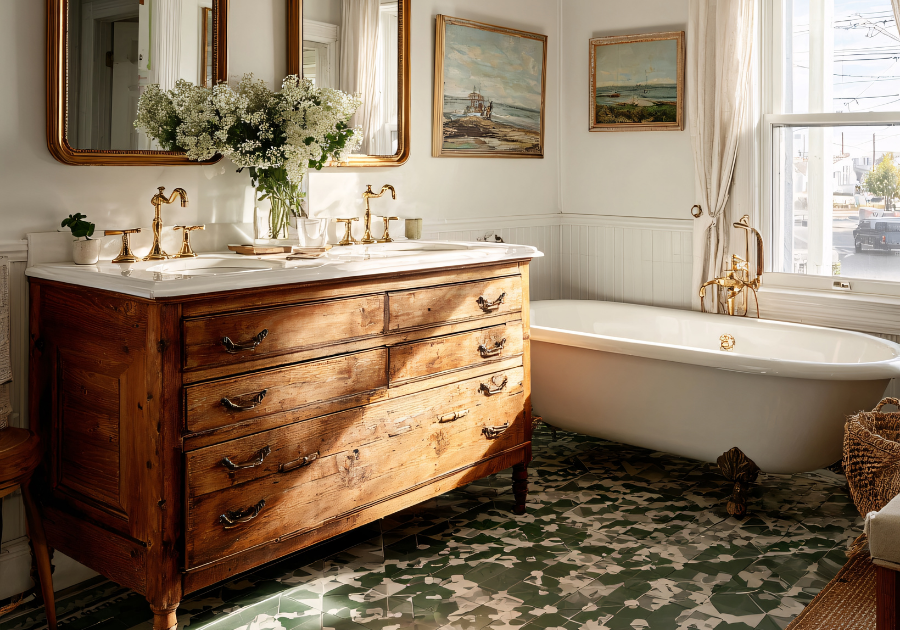
Golden or orange-toned wood trim can be one of the trickiest types of original woodwork to work with.
The wrong wall color can make orange undertones feel even stronger. This often happens when homeowners choose stark white, cool gray, or colors with blue undertones. Those cooler colors can exaggerate the warmth in the wood, making it look more orange than it really is.
The best paint colors for orange-toned wood trim are usually warm, muted, and balanced.
Good options include:
- Warm cream
- Soft beige
- Warm greige
- Muted olive
- Dusty sage
- Soft taupe
- Warm mushroom
- Muted clay-inspired neutrals
These colors help calm the orange tones instead of fighting them.
The goal is not necessarily to hide the warmth of the wood. The goal is to make that warmth feel intentional. When the wall color has enough warmth and softness, the wood trim can feel charming, cozy, and connected to the rest of the room.
This is especially important in older homes where the floors, trim, doors, and built-ins may all have warm undertones. If the wall color is too cool, the entire space can feel like it is pulling in two different directions.
Why Lighting Changes Paint Colors in Older Homes
Lighting changes everything.
A paint color that looks beautiful in a showroom or on a Pinterest photo can look completely different in your home. This is especially true in older homes.
Many vintage and historic homes have smaller windows, deeper rooms, more walls, covered porches, mature trees outside, or softer natural light. These details all affect how paint color appears throughout the day.
A color that looks creamy in the morning may look yellow in the afternoon. A taupe that looks warm in one room may look muddy in another. A green that feels soft in natural light may feel darker once the lamps are on.
That is why it is so important to test paint colors directly next to your original woodwork.
Do not choose paint from a tiny chip at the store and assume it will work. Paint a large sample or use a large peel-and-stick sample, then look at it in the room at different times of day.
Check the color:
- In morning light
- In afternoon light
- On cloudy days
- With lamps turned on
- Next to the trim
- Next to the flooring
- Near large furniture pieces
The paint color needs to work with your actual home, not just with the idea of your home.
Paint Colors to Be Careful With
When choosing paint colors for original woodwork, some colors need extra caution.
The first is stark white.
White walls can look beautiful in the right home, but they are not always the best choice for older homes with original wood trim. Stark white can create such a strong contrast that the trim looks darker, heavier, or more orange by comparison.
The second is cool gray.
Cool gray can feel crisp in newer homes, but it often clashes with warm wood tones. It can make a room feel cold or disconnected, especially if the flooring and trim are warm.
The third is overly bright color.
Bold colors can work in historic homes when used thoughtfully, but if you are preparing to sell, very bright colors may distract buyers from the architecture and original details.
The fourth is muddy beige.
Not all warm neutrals are good neutrals. Some beige tones can make a room feel dull or dated, especially if they are too dark or too yellow.
The safest direction is usually a color that feels warm, soft, and balanced.
What Buyers Actually Respond To in Older Homes
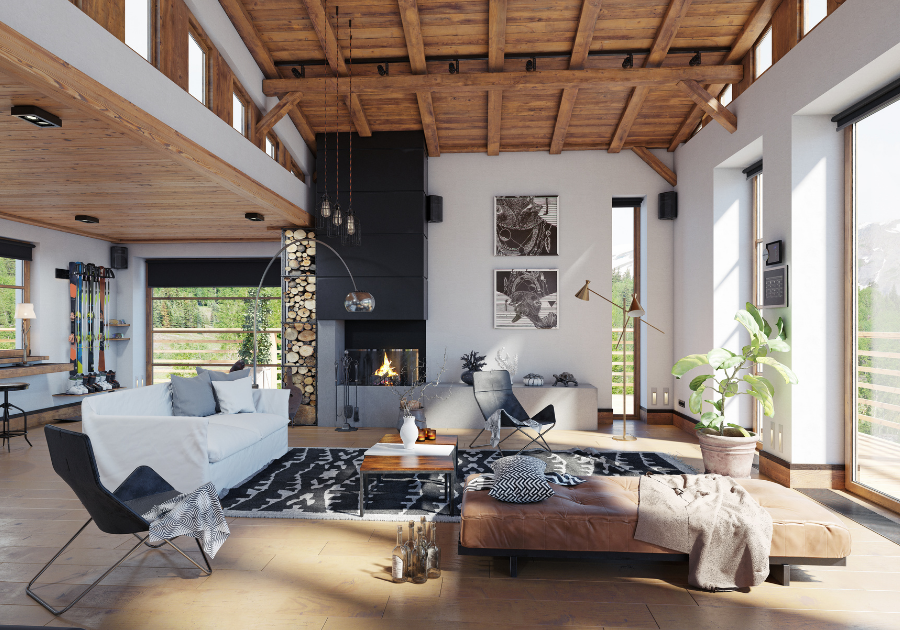
One of the biggest misconceptions in real estate is that every older home needs to be stripped of personality in order to sell well.
That is not true.
Many buyers looking at vintage and character homes want charm. They want craftsmanship. They want details. They want something that feels different from a new build.
But they also want the home to feel cared for, clean, cohesive, and easy to imagine living in.
That is the balance.
When preparing an older home for sale, the goal is not to remove every sign of age. The goal is to remove distractions so buyers can appreciate the best parts of the home.
Original woodwork can be one of those best parts.
With the right wall color, lighting, furniture placement, and staging, original wood trim can feel warm, elevated, and memorable.
Buyers may not always be able to explain why a room feels good, but they can feel it.
Selling a Home with Original Woodwork in Central Massachusetts
Here in Central Massachusetts, many homes have the kind of details that buyers do not see every day: original staircases, wood trim, wide plank floors, built-ins, antique doors, detailed moldings, and older fireplaces.
These features can be a real advantage when selling, especially when they are presented thoughtfully.
But presentation matters.
If the paint colors feel disconnected from the woodwork, buyers may focus on the wrong things. They may think the home feels dark, dated, or overwhelming. But if the wall colors complement the original details, buyers are more likely to see the charm and value.
This is why staging and paint selection are so closely connected.
Paint is not just about color. It is about how the whole room feels. It affects the photos, the showing experience, and the way buyers emotionally respond to the home.
For sellers of older homes, especially vintage and character homes, the right paint color can help preserve the story of the home while still making it feel fresh for today’s buyers.
FAQ: Best Paint Colors for Original Woodwork
What are the best paint colors for original woodwork?
The best paint colors for original woodwork are usually warm creams, muted greens, warm greige, taupe, soft beige, and other warm neutral tones. These colors tend to complement the warmth of the wood instead of fighting against it.
Should I paint original wood trim white before selling?
Not automatically. Original wood trim can be a valuable feature, especially in older homes. Before painting it white, consider whether updating the wall color, lighting, furnishings, and staging would make the room feel fresher while preserving the original character.
What wall color looks best with dark wood trim?
Warm cream, soft ivory, muted sage, warm greige, taupe, and mushroom tones often look beautiful with dark wood trim. These colors soften the contrast and help the trim feel rich rather than heavy.
What colors make orange wood trim look less orange?
Warm creams, taupes, muted greens, warm greiges, and soft beige tones can help balance orange or golden wood trim. Avoid stark white and cool gray, which can sometimes make orange undertones stand out more.
Does gray paint work with original woodwork?
Gray can be tricky with original woodwork, especially if it has cool undertones. Cool gray often clashes with warm wood trim. If you want a gray-inspired neutral, a warm greige is usually a safer choice.
Is white paint bad with wood trim?
White paint is not always bad, but stark white can be difficult with original wood trim. It may create too much contrast and make the wood look darker or more dated. A warm cream or soft ivory is often a better alternative.
How do I choose paint colors for an older home?
Start by looking at the fixed elements: wood trim, floors, tile, countertops, lighting, and natural light. Then choose paint colors that work with those features instead of choosing a color in isolation. Always test samples in the actual room before painting.
Final Thoughts: Best Paint Colors For Original Woodwork
If your home has original woodwork, do not assume painting it white is the best way to prepare it for sale.
Original wood trim can be one of the most beautiful and memorable features in an older home. The key is choosing wall colors that help that woodwork feel intentional instead of overwhelming.
Warm creams, muted greens, warm greige, taupe, and other soft warm tones can all work beautifully with original woodwork. These colors help balance the warmth, soften the contrast, and allow the home’s character to shine.
For sellers, especially those preparing vintage, antique, or character-filled homes in Central Massachusetts, thoughtful paint choices can make a meaningful difference.
Your home does not need to lose its story in order to sell.
It needs to be presented in a way that helps buyers understand it, connect with it, and imagine themselves living there.
Every home tells a story.
The right presentation helps buyers hear it.
Free Resource for Sellers
If you are preparing to sell a home with original woodwork, my free Ultimate Staging Prep List can help you get started. It walks you step-by-step through how to prepare your home before listing while still preserving the character buyers love.
Download the Ultimate Staging Prep List and start preparing your home with confidence.