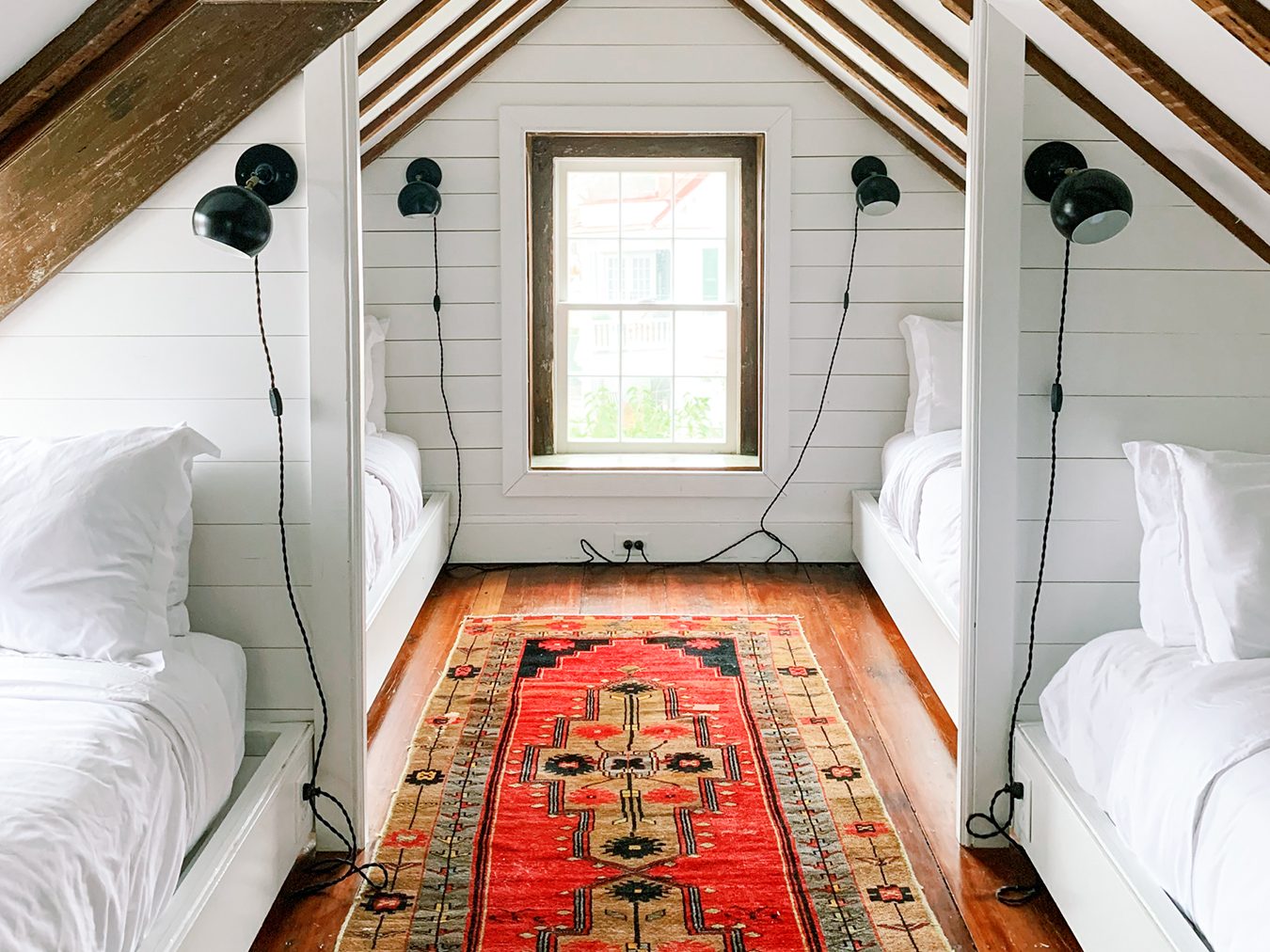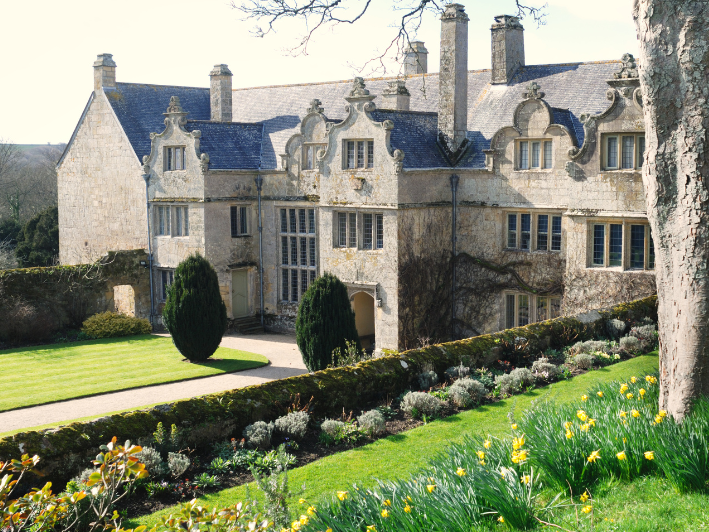
Selling a vintage home isn’t the same as selling a newer build.
These homes have history, craftsmanship, and charm — but without the right presentation, those strengths can be misunderstood when selling a vintage home in today’s market.
The goal isn’t to modernize or erase what makes the home special.
It’s to help buyers understand it.
When the story is clear, the right buyer feels it almost immediately.

Why Vintage and Older Homes Sit on the Market
One of the most common frustrations I hear from sellers of older homes is this:
“We love our home — so why isn’t it selling?”
In many cases, the issue isn’t the home itself.
It’s how the home is being presented.
When selling an older home, common challenges include:
- Too much visual clutter distracting from original architecture
- Room layouts that feel confusing without clear visual flow
- Buyers struggling to picture their own lifestyle in the space
- Character being present, but not highlighted intentionally
This doesn’t mean the home is wrong.
It means the marketing — and preparation — isn’t doing it justice.
The Role of Strategic Staging When Selling a Vintage Home
When selling a vintage home, staging isn’t about trends or decoration.
It’s about:
- Editing distractions so architectural details can shine
- Creating visual flow so rooms make sense to today’s buyers
- Highlighting original features rather than competing with them
- Guiding buyer emotion from room to room
Especially in lived-in homes, vintage home staging helps buyers focus on the home itself — not the contents, the layout questions, or the “what would I do here?” moments.
Staging is translation.
It helps buyers understand how the home lives — and how their life could fit inside it.
Why Antiques, Texture, and Patina Matter
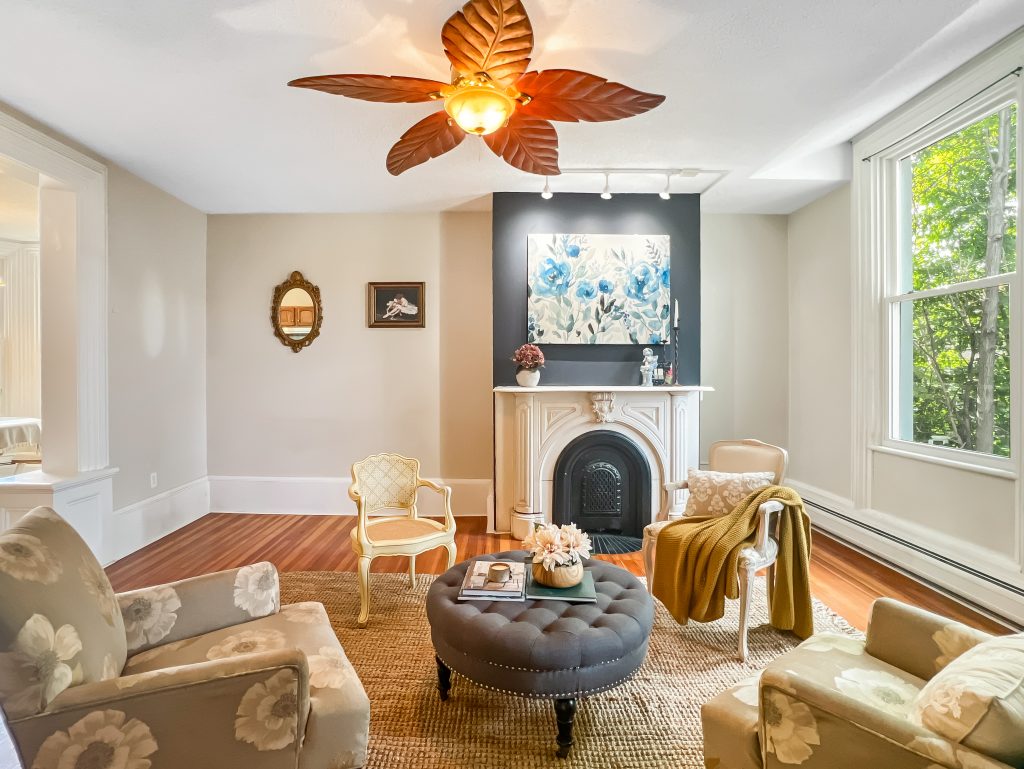
There’s a misconception that antiques or older pieces will “date” a home.
In reality, the opposite is often true.
When staging an older or character home, antiques and time-worn textures:
- Add warmth and authenticity
- Reinforce the home’s natural story
- Help buyers emotionally anchor to the space
Buyers don’t remember square footage.
They remember how a home made them feel.
Thoughtful use of texture, patina, and scale creates connection — and connection is what moves buyers from interest to action.
What to Do Before Selling a Vintage Home
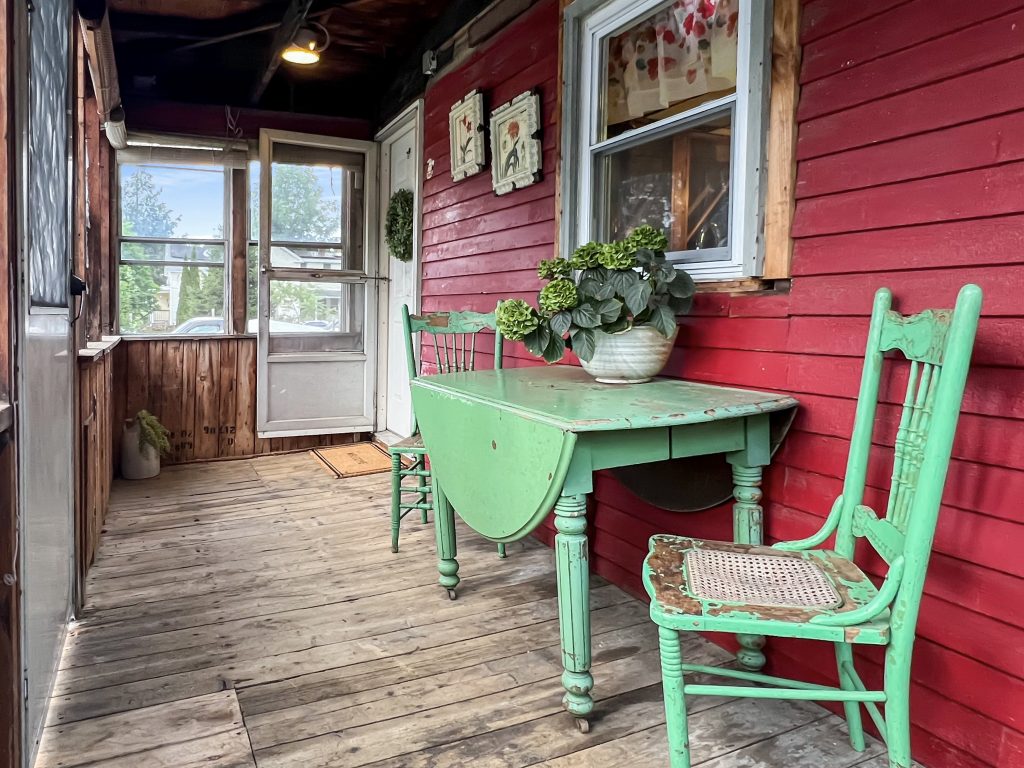
Before selling a vintage or character home, preparation matters more than perfection.
Some of the most impactful steps include:
- Decluttering with intention (not sterilizing the space)
- Repairing before replacing whenever possible
- Lightening rooms without erasing charm
- Staging to guide emotion and flow
- Marketing the story — not just the specs
When sellers take the time to prepare thoughtfully, they gain confidence.
And confident homes show better, photograph better, and sell better.
Selling a Vintage Home Is About Clarity, Not Change
Homes with history deserve marketing that fits them.
When selling a vintage home, clarity is what allows the right buyer to recognize its value — and feel it.
The goal isn’t to change the home.
It’s to help someone else see why it has mattered for so long.
✨ Every Detail Matters. Every Home Tells a Story.
Thinking About Selling a Vintage or Character Home?
If you’re considering selling a vintage or character home and want guidance on preparation, staging, or timing, I’d be happy to help you think through the best next steps — with no pressure and no rush.