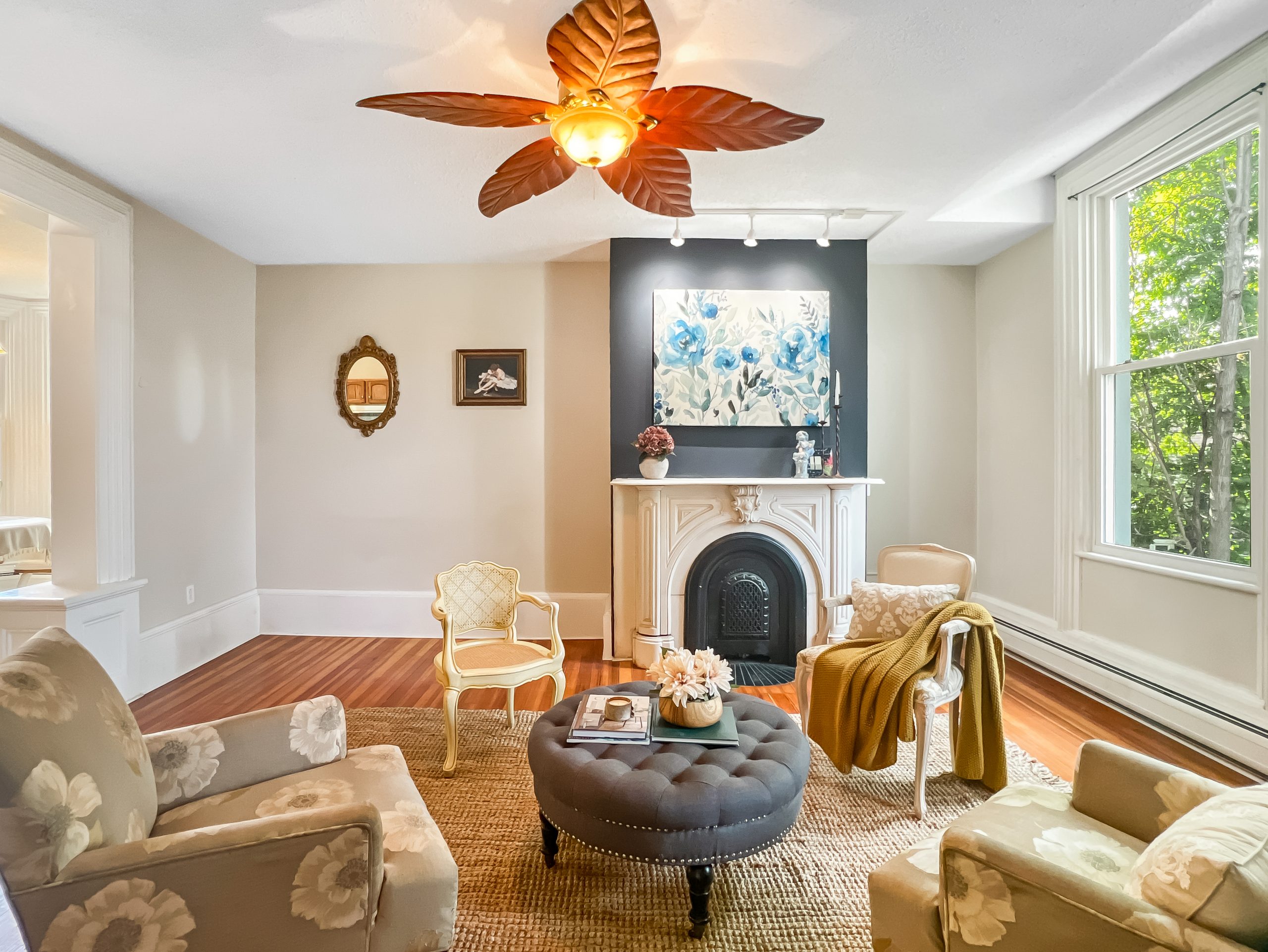
There’s a particular kind of love that comes with living in a home with history. For many people living in a vintage home, the challenge isn’t appreciation — it’s balance.
It’s the weight of an old door when you close it.
The way sunlight hits original woodwork in the late afternoon.
The quiet awareness that generations before you lived real life inside these same walls.
But loving a character-filled home doesn’t mean it’s always easy to live in.
For many homeowners of older or vintage homes, they may feel a constant tension between preserving charm and making the home function for modern life. You don’t want to erase what makes it special — but you also don’t want to feel frustrated by awkward layouts, dark corners, or rooms that don’t quite work for how you live today.
The good news?
You don’t have to choose between character and comfort.
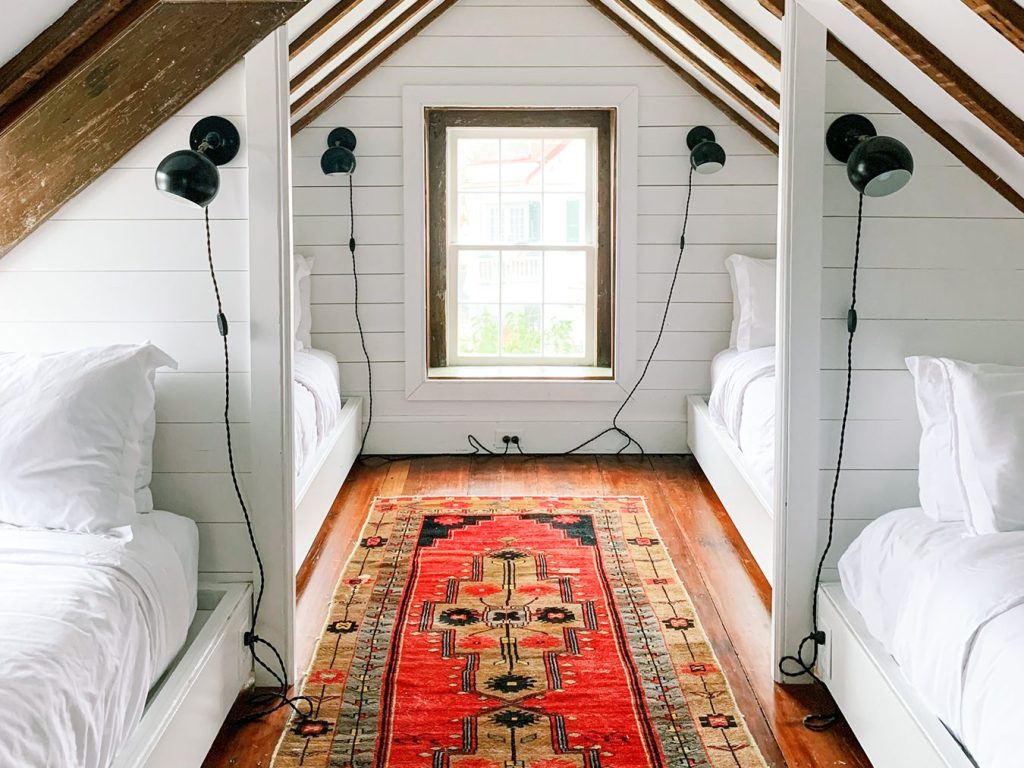
The Real Challenge of Living in a Vintage Home
Most older homes weren’t designed for open floor plans, oversized furniture, or today’s pace of life — and that’s not a flaw. It’s simply context.
What does become challenging is when:
- Beautiful architectural details compete for attention
- Rooms feel undefined or heavy
- Function gets lost in nostalgia
Living in a vintage home often requires curation — not renovation.
1. Choose What Tells the Story (and Let It Lead)
Every vintage home has a few elements that deserve to be the “main character.”
Maybe it’s a fireplace mantel, built-in cabinetry, original floors, or a staircase with history in its bones.
Instead of surrounding these features with more “stuff,” allow them space to breathe. When one or two architectural details lead the room, everything else can support the story instead of distracting from it.
Less competing visual noise = more appreciation for what’s truly special.
2. Define Purpose While Living in a Vintage Home Without Forcing Modernity
One of the biggest frustrations in older homes is ambiguous rooms.
Rather than fighting the layout, gently guide it.
- A small room becomes a reading nook, not a forced office
- A wide hallway becomes a gallery or library wall
- A corner becomes intentional seating instead of unused space
Function doesn’t require changing the home — it requires understanding it.
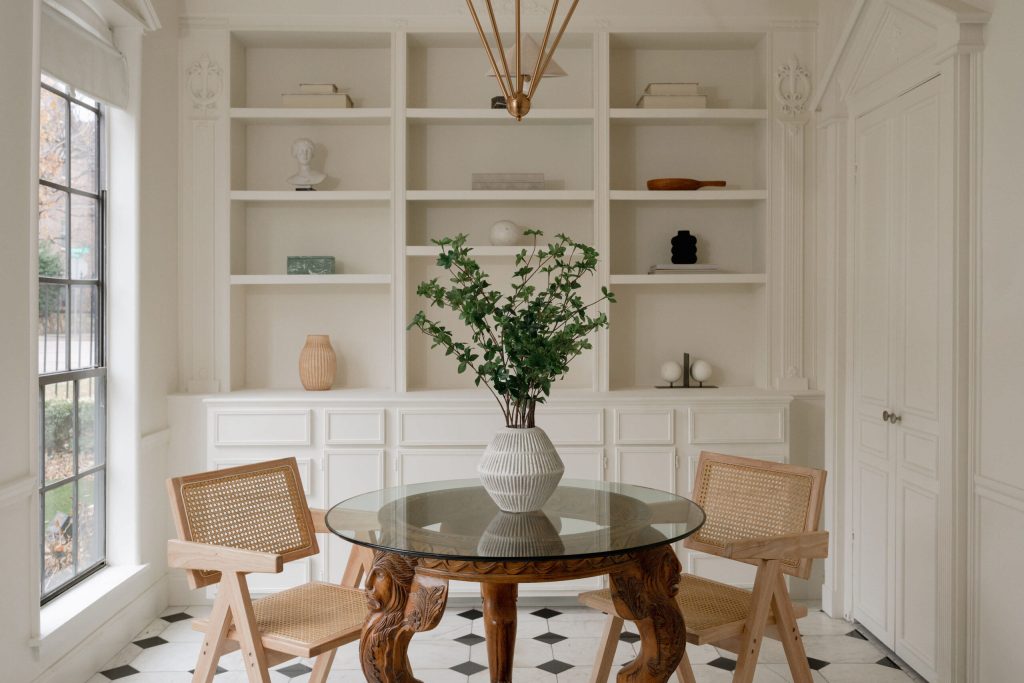
3. Balance Patina With Softness
Patina is part of the charm — worn floors, aged wood, time-earned texture. In reality, too much hardness can make a home feel cold or heavy.
Soft furnishings are your quiet hero:
- Natural textiles
- Layered lighting
- Area rugs that anchor rooms without hiding floors
This balance allows the home to feel warm, livable, and welcoming — not museum-like.
4. Use Lighting to Translate Mood
Lighting is one of the most overlooked tools in vintage homes.
Thoughtful lighting can:
- Highlight craftsmanship
- Warm darker corners
- Create rhythm from room to room
The goal isn’t brightness everywhere — it’s intention. Each space should feel like it knows what it’s meant to be.
5. Curate, Don’t Decorate
Vintage homes don’t respond well to trends or over-decoration.
Instead of adding more, edit with care.
Keep what feels meaningful.
Remove what feels noisy.
Let the home’s bones do the talking.
Often, the most powerful design choice is knowing when to stop.
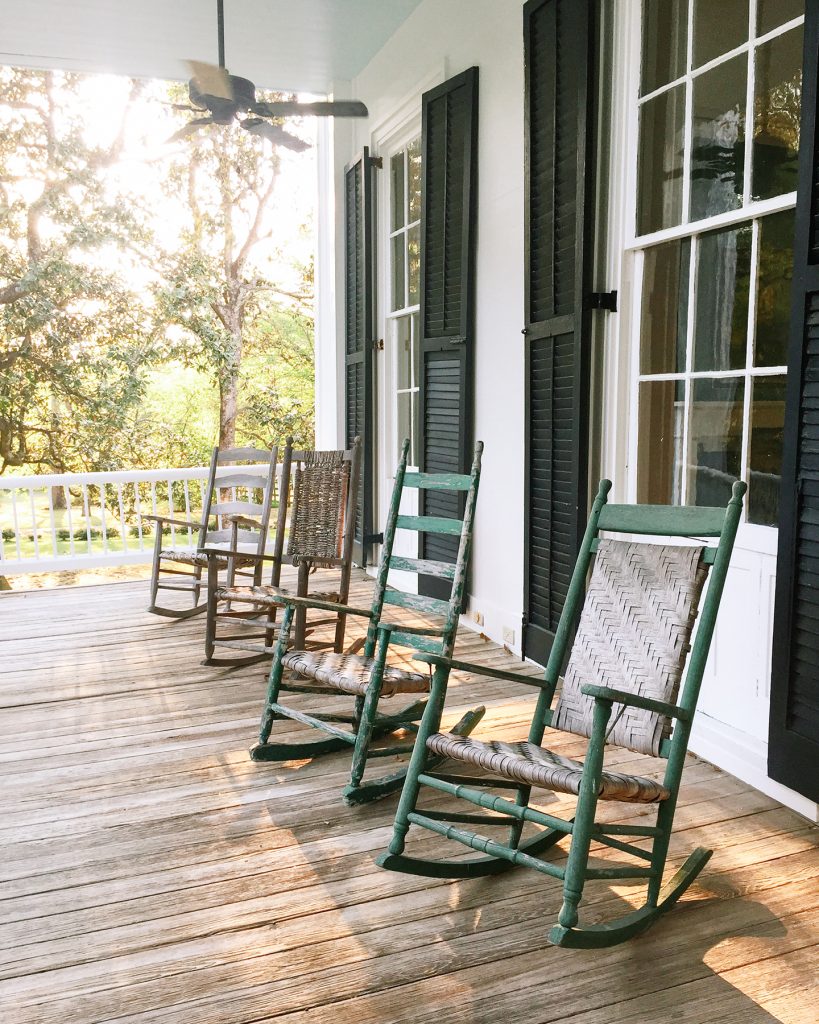
Living in a Vintage Home Should Feel Like Home
Loving an older home is about stewardship — not perfection.
It’s about honoring what’s been passed down, while shaping a space that supports your life today.
And when you approach your home with clarity, respect, and intention, it rewards you with something rare:
a sense of grounding that never goes out of style.