If you are thinking about selling your home but feel overwhelmed by the idea of staging it, you are not alone. Many sellers picture home staging as a full transformation involving rented furniture, moving trucks, designer accessories, and a home that suddenly feels impossible to live in. But occupied home staging is different. It allows you to prepare your home for sale while you are still living there, often using the furniture and décor you already own. Full vacant staging can be helpful in certain situations, but it is not the only way to make a home feel polished, welcoming, and ready for buyers.
For most sellers, especially here in Central Massachusetts, selling while still living in the home is completely normal. You may still be cooking dinner, folding laundry, getting kids ready for school, taking care of pets, working from home, and trying to keep life moving while also preparing for listing photos and showings. That is exactly where occupied home staging becomes so valuable.
Occupied home staging is the process of preparing a lived-in home for sale using mostly what the homeowner already owns. Instead of replacing everything, the focus is on editing, rearranging, simplifying, and highlighting the best features of the home. The goal is not to create a perfect model home. The goal is to help buyers see the home clearly, understand the layout, and imagine themselves living there.
That distinction matters because staging is not about erasing your life from the home. It is about reducing the distractions that make it harder for buyers to picture their own life there. When done well, occupied home staging allows your home to feel warm, welcoming, and realistic while still looking polished and buyer-ready.
If you are preparing to sell your home and wondering how to stage it without moving out or buying all new furniture, this guide will walk you through the most important steps.
Watch the Video: Occupied Home Staging Tips for Sellers
Occupied Home Staging: How to Sell Using What You Already Own
In the video, I walk through the simple but powerful ways sellers can use what they already have to prepare their home for sale. This blog post expands on those ideas so you can start thinking about your own home room by room and create a plan that feels realistic, manageable, and strategic.
What Is Occupied Home Staging?
Occupied home staging means preparing a home for sale while the current owners are still living there. Unlike vacant staging, where furniture and décor are brought into an empty property, occupied staging works with the furniture, artwork, rugs, lamps, bedding, books, plants, and accessories already in the home.
The purpose is not to make the home look generic or stripped of personality. The purpose is to make the home feel clear, spacious, calm, and easy for buyers to understand. Buyers need to be able to walk through a home and quickly answer some important questions. Can I see myself living here? Does the home feel cared for? Does the layout make sense? Does the room feel large enough? Where would my furniture go? Does this feel like a home I would be proud to own?
Occupied home staging helps answer those questions in the seller’s favor. It highlights the home’s strengths, softens potential distractions, and gives buyers visual breathing room. Instead of focusing on the current owner’s daily life, buyers are able to focus on the home itself.
This is especially important in older, vintage, or character-filled homes. These homes often have wonderful details such as original woodwork, built-ins, fireplaces, charming windows, unique layouts, and architectural personality. Those details are part of the story of the home, but they need to be presented clearly. If a home feels too crowded, too dark, or too visually busy, buyers may miss the very features that make it special.
Occupied home staging helps the right details stand out.
Occupied Staging Is About Editing, Not Replacing
One of the most important things to understand about occupied home staging is that you probably do not need all new furniture. Most of the time, your existing pieces can work beautifully when they are used more strategically.
The issue is rarely that everything in the home is wrong. More often, the problem is that there is too much competing for attention. A home that works well for daily life is not always the same as a home that photographs well or shows well. Daily living is about comfort and convenience, while selling is about presentation and buyer perception.
That does not mean your home needs to feel cold or empty. It simply means each room needs to feel intentional. The furniture should make the room feel easy to understand. The décor should support the space rather than overwhelm it. The layout should help buyers move naturally through the home. The lighting should make each room feel bright, warm, and cared for.
When preparing your home to sell, it helps to shift the question from “Do I like this item?” to “Does this item help a buyer understand the room?” That one change can make the staging process much easier. Something may be meaningful, useful, or beautiful to you, but if it distracts from the space, it may be better packed away before photos and showings.
Occupied staging is not about pretending real life does not happen. It is about creating a temporary presentation strategy that helps your home make its best first impression.
Why Occupied Home Staging Matters When Selling Your Home
Buyers form opinions quickly, and many of those opinions begin before they ever step inside the home. Listing photos are often the first showing. Buyers scroll online, compare homes, and make fast decisions about which properties are worth seeing in person. If the photos feel dark, cluttered, crowded, or confusing, a buyer may move on without ever scheduling a showing.
Once buyers do walk through the front door, the emotional reaction continues. They are looking at price, square footage, condition, and location, of course, but they are also responding to how the home feels. Does it feel calm? Does it feel spacious? Does it feel well cared for? Does it feel like a place they could imagine living?
That emotional connection is where staging matters. A well-staged occupied home helps buyers focus on the space instead of the seller’s belongings. It gives the home a clearer sense of purpose and makes it easier for buyers to picture their own furniture, routines, and future memories there.
For sellers, this matters because presentation influences perception. A home that feels bright, organized, and thoughtfully prepared often feels more valuable than a similar home that feels cluttered or visually overwhelming. Buyers may not always be able to explain exactly why one home feels better than another, but they can feel the difference.
Occupied home staging helps create that difference without requiring you to move out or start over.
Tip #1: Declutter With Purpose
Decluttering is usually the first step in occupied home staging, but it is also one of the most misunderstood. The goal is not to remove everything until the home feels bare. The goal is to make each room feel more spacious, intentional, and easy to understand.
A lived-in home naturally collects layers. There are everyday items on counters, papers on desks, shoes near doors, pet supplies, kids’ toys, extra blankets, seasonal décor, personal photos, and the little things that make a house function. None of that is wrong. It simply needs to be edited before the home is photographed and shown to buyers.
A good starting point is to remove about 20 to 30 percent of visible items from the main living spaces. This does not mean you need to pack up your entire house. It means you are reducing the amount of visual information buyers have to process when they enter each room.
In the kitchen, this may mean clearing most items from the counters so buyers can see workspace. In the living room, it may mean simplifying shelves, removing extra pillows, or packing away some personal photos. In bedrooms, it may mean clearing nightstands, simplifying bedding, and removing extra furniture that makes the room feel tight. In bathrooms, it usually means putting away daily products and creating a clean, fresh presentation.
The most important question to ask is whether each item helps or distracts. Does it make the room feel larger, warmer, or more functional? Does it draw attention to a feature you want buyers to notice? Or does it pull attention away from the room?
Decluttering with purpose allows the home to feel calm without feeling empty. It gives buyers enough warmth to connect emotionally, but enough space to imagine their own life there.
Tip #2: Rearrange Furniture Instead of Replacing It
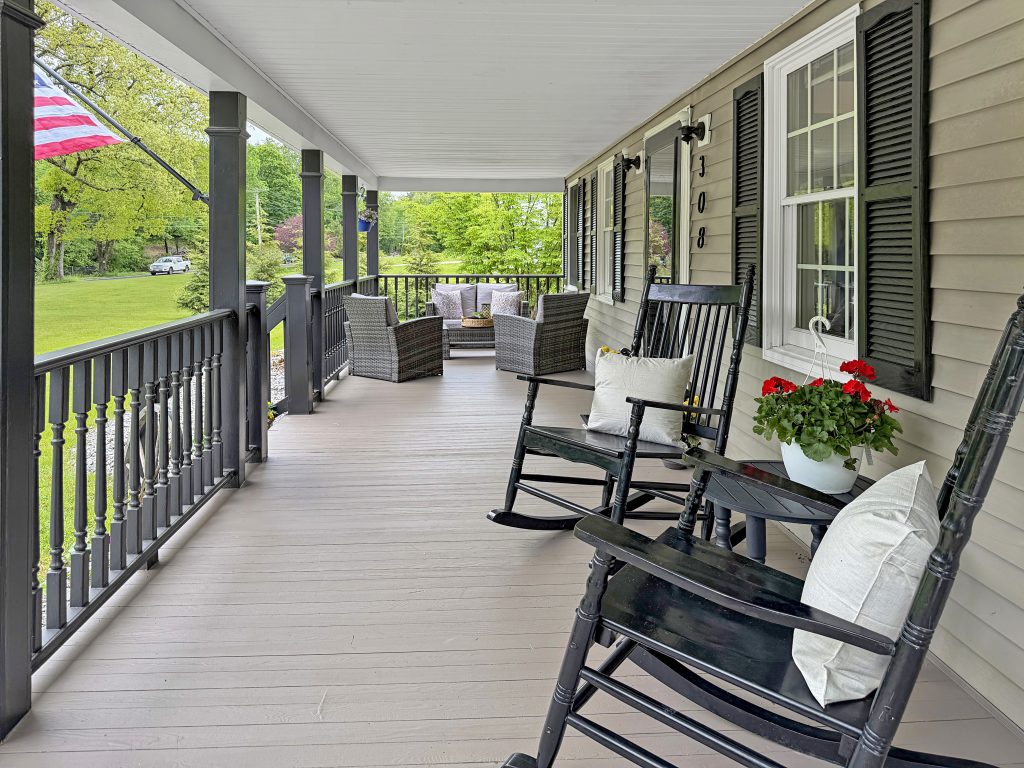
One of the most effective occupied home staging strategies costs nothing: rearranging furniture. Most homeowners place furniture based on how they live every day, which makes perfect sense. You may have chairs angled toward the TV, extra storage pieces where they are convenient, or more seating in a room because your family uses it that way.
For selling, though, the goal changes. Buyers need to understand the room quickly, and they need to move through it easily. If a room feels difficult to walk through, buyers may assume the room is too small. If the furniture blocks natural pathways, the layout may feel awkward even when the room itself has good potential.
This is why furniture placement matters so much. Sometimes shifting a sofa, removing one chair, or opening up a walkway can make a room feel dramatically better. The goal is not to prove how much furniture can fit in a room. The goal is to show how well the room functions.
In a living room, you want buyers to see a comfortable gathering space with a clear focal point. In a dining room, you want the table to feel centered and appropriately scaled. In a bedroom, you want the bed to feel like the anchor of the room with enough space around it to feel restful. In an entryway, you want buyers to feel welcomed instead of crowded the moment they walk in.
Furniture should guide the buyer’s eye through the space. It should not create obstacles. When a room has better flow, buyers often perceive it as larger, more functional, and easier to live in.
Before buying anything new, try removing or repositioning what you already have. You may be surprised by how much better a room feels with fewer pieces and a clearer layout.
Tip #3: Reduce Visual Noise
Visual noise is one of the biggest reasons a home can feel busy in photos and showings. It happens when too many colors, patterns, textures, styles, or small items compete for attention at the same time.
The challenge with visual noise is that buyers may not consciously identify it. They may not say, “There are too many patterns in this room.” Instead, they may simply feel like the space is smaller, darker, dated, or hard to connect with. That is why simplifying the visual story of each room can make such a big impact.
Reducing visual noise does not mean removing all character. In fact, character is often what makes a home memorable. The goal is to quiet the background so the home’s best features can stand out.
Simple swaps can help. Busy bedding can be replaced with calmer, more neutral bedding. Bright or heavily patterned pillows can be swapped for softer, more subtle options. Heavy or distracting window treatments can be opened or simplified. Small décor scattered across multiple surfaces can be reduced so the room feels more peaceful.
This is especially helpful in older homes. A vintage home may already have strong architectural details, natural wood tones, patterned floors, built-ins, fireplaces, or unique room shapes. Those features deserve attention. When the room is filled with too many competing accents, buyers may miss the charm that should be leading the story.
The best occupied home staging usually creates balance. The home still feels warm and lived in, but the buyer is not overwhelmed by too many personal or decorative choices. The space feels calmer, the photos look cleaner, and the home becomes easier to imagine.
Tip #4: Use What You Already Own Strategically
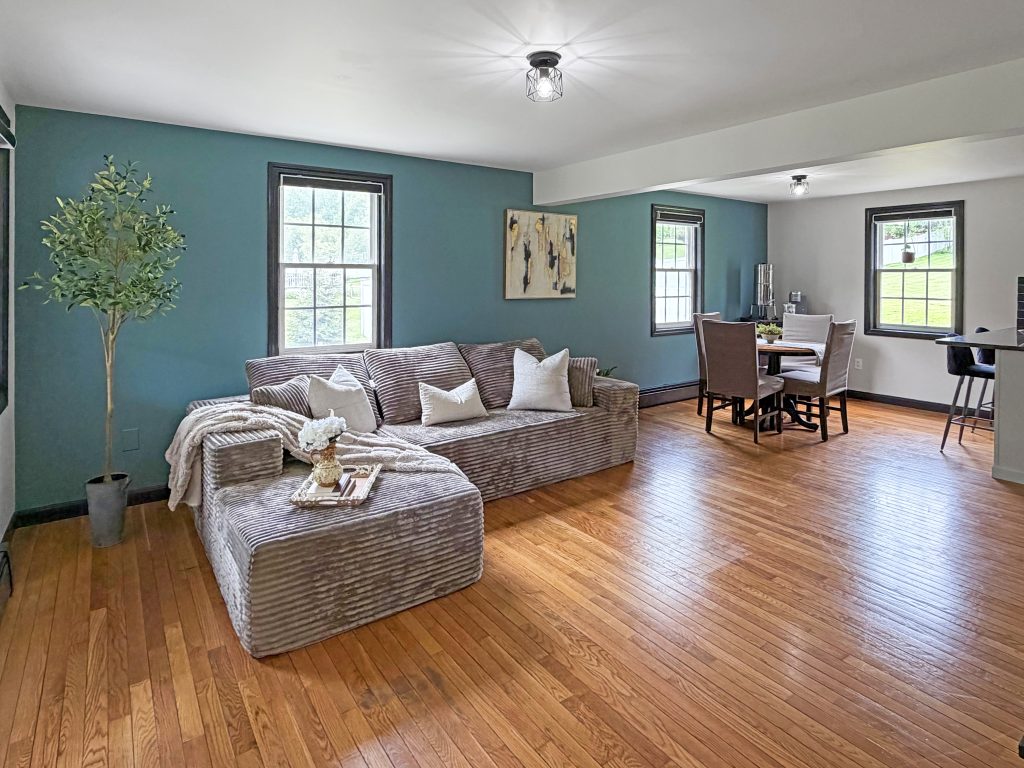
Most sellers already own more useful staging pieces than they realize. The key is not necessarily buying more. The key is using what you already have in a more strategic way.
You may have throw blankets, lamps, books, baskets, trays, plants, pottery, mirrors, artwork, pillows, or small furniture pieces that can be repurposed for staging. A throw blanket that usually lives in a closet might soften a chair or add warmth to the end of a bed. A tray can make a coffee table look intentional instead of cluttered. A stack of books can add height and structure to a shelf. A basket can hide everyday items while adding texture.
The difference is placement. In staging, every item should have a job. Some items add warmth. Some create scale. Some help define a room. Some soften hard surfaces. Some draw attention to a focal point. Some help a room photograph better.
This is where staging becomes different from decorating. Decorating is personal and often focuses on what you love. Staging is strategic and focuses on what helps buyers connect with the home. Both are valuable, but when you are preparing to sell, the buyer’s experience needs to lead.
One of the easiest ways to begin is to “shop your own home.” Walk from room to room and look for the best neutral, warm, and versatile pieces you already own. You may have a lamp in one room that works better in another. You may have a simple vase tucked away that would look beautiful on a dining table. You may have extra pillows or blankets that can soften a bedroom or living room.
Using what you already own strategically can make occupied home staging feel more manageable and affordable. You are not starting from scratch. You are simply giving the right pieces a better role.
Tip #5: Lighting Changes Everything
Lighting is one of the simplest ways to improve how a home feels before selling. A dark home can feel smaller, heavier, and less inviting, while a bright home often feels cleaner, warmer, and more valuable.
Start with the basics. Open curtains and blinds before photos and showings. Clean windows if they are dull or cloudy. Replace burned-out bulbs. Turn on lamps. Make sure bulbs feel consistent from room to room. If one lamp has a cool blue bulb and another has a warm yellow bulb, the room can feel visually uneven, especially in photos.
In many Central Massachusetts homes, especially older homes, overhead lighting may be limited. That makes lamps especially important. Lamps create warmth, soften corners, and help rooms feel more finished. A living room with only overhead lighting may feel flat or harsh, but a living room with a few well-placed lamps can feel cozy and welcoming.
Natural light also matters. If heavy curtains are blocking windows, consider opening them fully or temporarily removing them for listing photos. Buyers respond strongly to light, and even a modest room can feel more appealing when it feels bright and open.
Before your home is photographed, walk through each room and look for dark corners. Ask whether a lamp would help, whether a curtain is blocking light, or whether a bulb needs to be replaced. These are small details, but they can dramatically change how buyers experience the home.
Light helps a home feel cared for, and that feeling matters.
How to Stage a Home While Still Living In It
One of the biggest concerns sellers have is how they are supposed to live in a staged home. That concern is completely valid. Selling a home while living in it can feel stressful, especially if you have children, pets, work-from-home spaces, busy schedules, or a home that needs to function every day.
The answer is not to pretend no one lives there. The answer is to create systems that make it easier to reset the home quickly before photos and showings.
Start by separating items into three categories. The first category is anything that should be packed before listing photos. These are items you do not need daily and that do not help the home show well. The second category is anything that can stay but needs a quick showing-day routine, such as countertop appliances, pet supplies, bathroom products, laundry baskets, or kids’ toys. The third category is anything that supports the staging and should remain in place, such as lamps, neutral bedding, simple décor, plants, and carefully chosen accessories.
This approach makes occupied home staging more realistic. You are not trying to keep your home perfect every second of the day. You are creating a simple reset plan so the home can be ready when it matters.
Baskets, bins, and closets can become very useful during this stage. A bathroom basket can hold daily products and tuck under the sink before a showing. A laundry basket can gather last-minute clutter and go into the car. A lidded basket in the living room can hide toys, remotes, or pet items. The goal is not perfection. The goal is preparation.
When the process feels manageable, sellers are more likely to stay consistent. That consistency helps the home show better throughout the listing period.
The Most Important Rooms to Focus on First
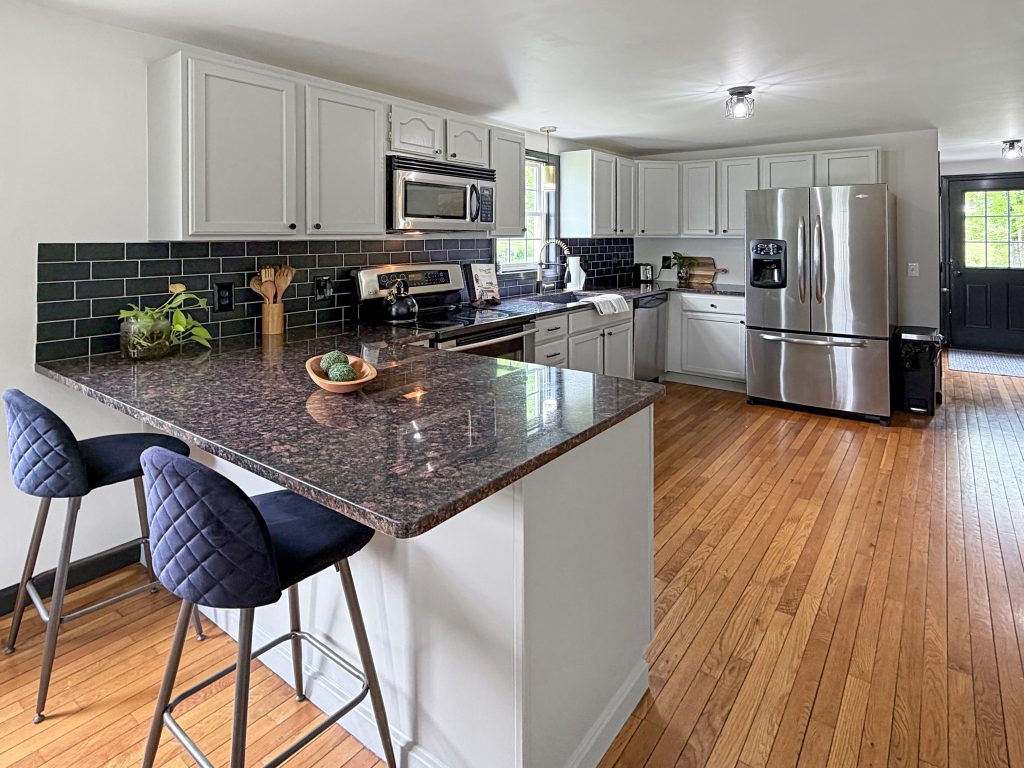
If you are feeling overwhelmed, start with the rooms that create the biggest buyer impact. You do not need to treat every room equally. Some spaces matter more because they shape the buyer’s emotional response and influence how the home feels online.
The entryway matters because it sets the tone. Buyers begin forming opinions immediately, so the first space they enter should feel clean, welcoming, and easy to move through.
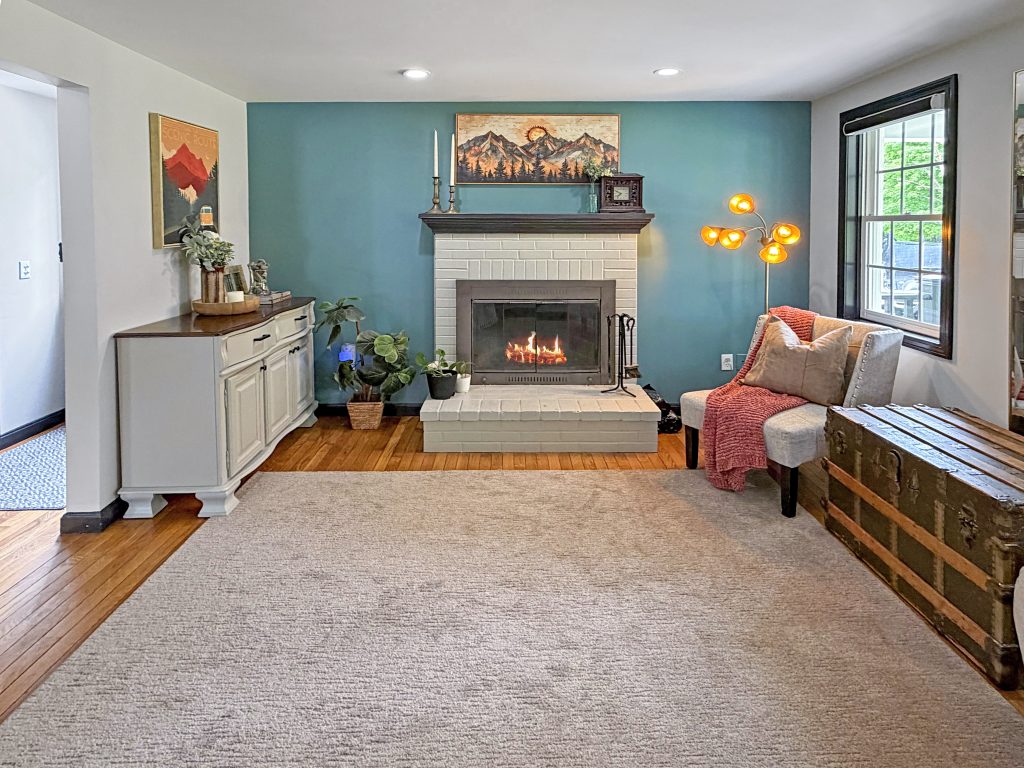
The living room matters because buyers imagine daily life there. This room should feel comfortable, open, and easy to furnish. If the living room feels crowded or awkward, buyers may question the functionality of the home.
The kitchen matters because buyers pay close attention to counter space, cleanliness, storage, and condition. Even simple editing can make a kitchen feel more appealing. Clear counters, good lighting, and a few warm touches can make a big difference.
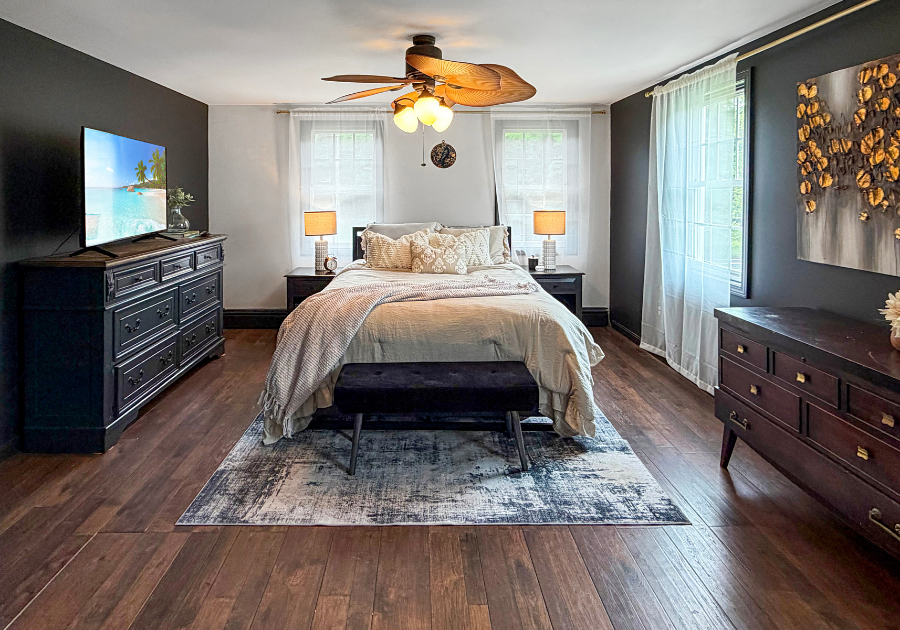
The primary bedroom matters because buyers want it to feel restful and spacious. This room should feel calm, not crowded. Simple bedding, clear nightstands, and good lighting can help create that feeling.
Bathrooms matter because they influence how clean and cared-for the home feels. Fresh towels, clear counters, and simple styling can help bathrooms feel more polished without major updates.
If your home has a special feature, such as a fireplace, built-in shelves, a sunroom, a porch, or original architectural details, give that area extra attention too. Buyers remember homes that have a clear story, and standout features should be easy to see.
Occupied Home Staging for Vintage and Older Homes
Occupied home staging is especially helpful for older homes, historic homes, and character-filled properties. These homes often have details that newer homes do not, such as original trim, built-ins, fireplaces, wide-plank floors, charming staircases, older doors, unique windows, and cozy room layouts.
Those details can be a major selling point, but they need the right presentation. If the home feels too cluttered, too dark, or too visually busy, buyers may focus more on the quirks than the charm.
The goal with older homes is not to make them feel brand new. That can actually work against the home’s natural character. Instead, the goal is to help buyers appreciate what makes the home special while still showing that it can support modern life.
That might mean simplifying a room so original woodwork stands out. It might mean using warm lamps to make an older room feel cozy instead of dark. It might mean removing extra furniture so a smaller room feels more functional. It might mean styling a built-in with fewer, more intentional items so it feels charming rather than crowded.
Vintage and older homes often tell a stronger story than newer homes, but that story needs to be clear. Occupied staging helps buyers understand the home’s personality without feeling overwhelmed by it.
When the right balance is created, buyers are more likely to see charm, warmth, and possibility instead of projects, clutter, or confusion.
Common Occupied Staging Mistakes to Avoid
Even sellers with beautiful homes can accidentally make staging mistakes that affect buyer perception. One common mistake is leaving too much furniture in a room. Sellers often want to show that a room can hold a lot, but too much furniture can make the space feel smaller and harder to move through.
Another common mistake is leaving too many personal items visible. A few personal touches are not always a problem, but too many family photos, collections, awards, or memorabilia can make buyers feel like guests in someone else’s home instead of future owners.
Over-decorating is another issue. Staging is not about filling every surface. In many cases, less is more. A few intentional pieces usually make a stronger impression than many small accessories.
Sellers also sometimes forget about closets and storage areas. Buyers will open closets, cabinets, and pantry doors. These spaces do not need to be perfect, but they should not look overstuffed. Crowded storage can make buyers worry that the home does not have enough space.
Poor lighting can also hurt the way a home feels. Dark rooms often feel smaller and less inviting, especially online. Before photos and showings, make sure each room has the best light possible.
Finally, be careful with scent. A clean, fresh home is wonderful, but strong candles, plug-ins, or artificial fragrances can make buyers wonder what is being covered up. Clean and neutral is almost always better than heavily scented.
Avoiding these mistakes can make your home feel more polished without requiring major changes.
Do You Need to Buy Anything for Occupied Home Staging?
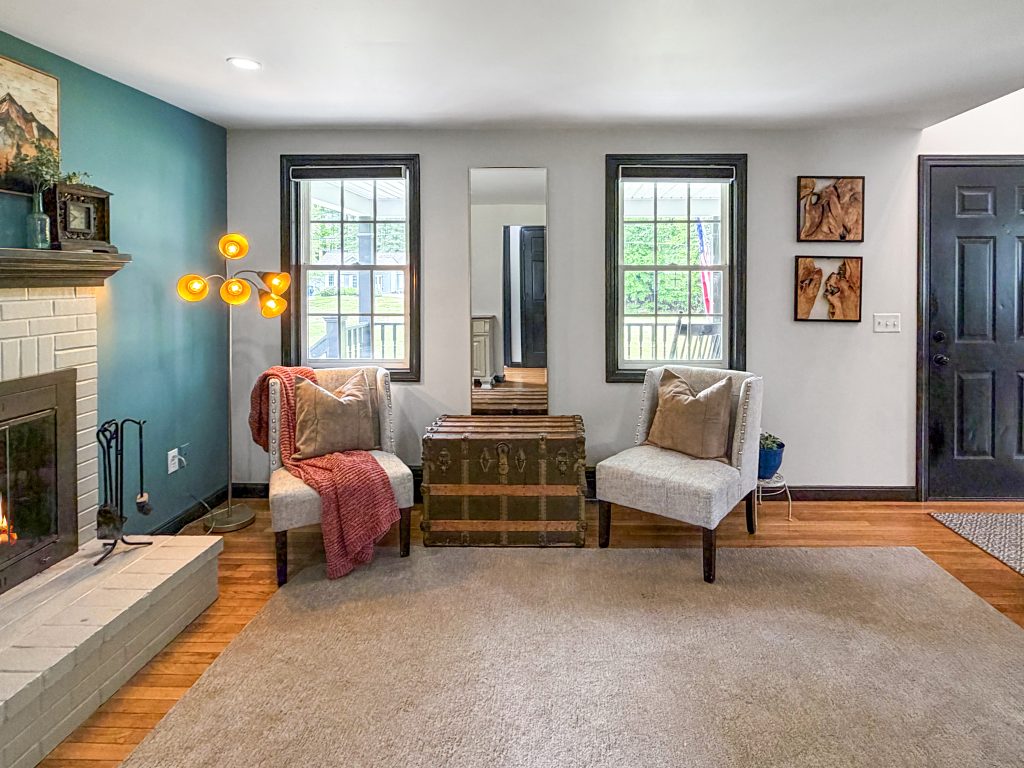
Sometimes a few small purchases can help, but you may not need as much as you think. Before buying anything, start by using what you already own. Rearrange furniture, simplify shelves, move lamps, edit accessories, and try different bedding or pillows from other rooms.
If you do decide to buy a few items, focus on simple, neutral, reusable pieces. Fresh towels, neutral throw pillows, solid color blankets, simple bedding, updated lampshades, a clean shower curtain, baskets, greenery, or a new doormat can all help a home feel more polished without a major investment.
The goal is not to decorate the home for your personal taste. The goal is to create a calm, buyer-friendly backdrop that helps the home feel clean, warm, and easy to imagine.
This is why occupied home staging can be so practical. You are not trying to compete with a furniture showroom. You are creating the best possible version of your home using smart, realistic changes.
A Simple Occupied Home Staging Checklist
If you are preparing to sell, begin with a simple walkthrough of your home. Start at the front door and move through each room as if you were a buyer seeing it for the first time.
Look for anything that blocks flow, distracts from the room, makes the space feel smaller, or draws attention away from the home’s best features. Clear flat surfaces, simplify shelves, reduce personal items, remove extra furniture, improve lighting, and make sure each room has a clear purpose.
Pay special attention to the entryway, living room, kitchen, dining area, primary bedroom, and bathrooms. These spaces usually have the biggest impact on buyers and listing photos.
Once the larger editing is done, focus on the finishing touches. Use lamps to warm up rooms, add simple bedding, fold towels neatly, style a few surfaces with intention, and create a showing-day plan for daily clutter.
You do not need to do everything in one day. In fact, it is often better to work in stages. Start with decluttering, then furniture placement, then styling, then photo preparation. A step-by-step plan will make the process feel much less overwhelming.
The Goal Is to Help Buyers See Their Future
At the end of the day, occupied home staging is not about perfection. It is about possibility.
You do not need a flawless home to sell well. You need a home that helps buyers understand its value and imagine their life there. When rooms feel clear, welcoming, and thoughtfully prepared, buyers can focus on the space instead of the distractions.
A staged home does not have to feel fake. It should still feel warm, comfortable, and real. The difference is that every room should support the buyer’s ability to connect with the home.
That is the power of occupied home staging. It allows you to keep living in your home while still preparing it for the market in a smart, strategic way. You can use what you already own, make thoughtful changes, and create a presentation that helps buyers emotionally move in before they ever write an offer.
Preparing to Sell Your Home in Central Massachusetts?
If you are thinking about selling your home while still living in it, you do not have to figure it out alone. As a Realtor® and professional home stager in Central Massachusetts, I help sellers prepare their homes in a way that feels strategic, realistic, and manageable.
My approach is not about turning your home into something it is not. It is about helping buyers see what is already there: the space, the story, the warmth, the function, and the potential.
Whether you are selling a vintage home, a character-filled property, or a home your family has lived in for years, thoughtful preparation can make a major difference in how buyers respond.
You do not need to move out. You do not need to buy all new furniture. You just need a plan.
Download the Free Ultimate Staging Prep List
If you are getting ready to sell and want a step-by-step guide to prepare your home for photos and showings, download my free Ultimate Staging Prep List.
It walks you through what to edit, what to simplify, what to focus on first, and how to make your home feel more buyer-ready without turning your life upside down.
Download the free Ultimate Staging Prep List here:
https://everyhometellsastorybymaijia.com/ultimate-staging-prep-list/
And for more practical staging and selling advice, subscribe to Staged to Sell in Central MA on YouTube.
Because every home tells a story, and the right preparation helps buyers see themselves in the next chapter.
Frequently Asked Questions About Occupied Home Staging
What is occupied home staging?
Occupied home staging is the process of preparing a home for sale while the seller is still living there. Instead of bringing in all new furniture, occupied staging uses the homeowner’s existing furniture and décor, along with strategic editing, rearranging, and styling, to make the home more appealing to buyers.
Do I need to move out to stage my home?
No. Most sellers do not need to move out before listing. Occupied home staging is specifically designed for people who are still living in their homes during the selling process. The goal is to make the home show well while still keeping it livable.
Can I stage my home with my own furniture?
Yes. Many homes can be staged using the seller’s own furniture and accessories. The key is arranging those pieces in a way that improves flow, highlights space, reduces distractions, and helps buyers picture themselves living there.
What should I remove before listing photos?
Before listing photos, remove excess clutter, personal items, crowded décor, extra furniture, countertop items, bathroom products, paperwork, laundry, pet items, and anything that makes rooms feel smaller or more distracting. The goal is to create clean, clear, buyer-friendly spaces.
Is occupied home staging worth it?
Occupied home staging can be worth it because it improves how your home looks online and in person. Strong presentation can help buyers emotionally connect with the home, understand the layout, and see the property’s value more clearly.
How much should I declutter before selling?
A good starting point is to remove about 20 to 30 percent of visible items from each main room. Focus on surfaces, shelves, closets, extra furniture, and anything that distracts from the room’s purpose or makes the space feel crowded.
What rooms matter most when staging an occupied home?
The most important rooms to focus on are usually the entryway, living room, kitchen, dining area, primary bedroom, and bathrooms. These spaces tend to shape the buyer’s first impression and emotional response.
Do older homes need a different staging strategy?
Yes. Older and vintage homes often benefit from a more thoughtful staging approach that highlights charm, character, and architectural details while reducing clutter and visual noise. The goal is to help buyers appreciate the home’s story without feeling overwhelmed by its quirks.