Selling a Historic Home? What Buyers Notice in the First 90 Seconds
If you’re thinking about selling a historic home, understanding what buyers notice in the first 90 seconds can make a big difference in how your property is perceived. Historic homes are emotional purchases, and buyers often react to the feeling of the home before they ever analyze square footage, updates, or price.
Why Selling a Historic Home Is Different
Buyers interested in historic and character homes are not usually looking for the same things as buyers shopping new construction.
They already know these homes may have quirks. In fact, that is often part of the appeal.
What they are really looking for is:
Character
Warmth
Craftsmanship
Authenticity
A feeling of permanence
When buyers walk into a historic home, they aren’t just asking:
“How many bedrooms?”
They’re asking something much more subconscious:
“How does this home make me feel?”
And that emotional reaction happens almost immediately.
That’s why preparation matters so much.
The First Impression Isn’t What Most Sellers Think
Many sellers assume buyers first notice things like:
The age of the furnace
The roof condition
The electrical panel
Those things matter later.
What buyers notice first is:
Light
Warmth
Flow
Care
Atmosphere
They notice whether the home feels:
Inviting
Overwhelming
Dark
Loved
Neglected
Peaceful
This happens before they consciously realize it.
And once that emotional impression is formed, everything else gets filtered through it.
If buyers feel good, they overlook imperfections.
If they feel uncertain, they start looking for problems.
This is why preparation is so powerful.
The Character vs. Condition Balance
One of the biggest challenges when selling historic homes is finding the right balance between:
Highlighting character
Minimizing distraction
Historic buyers want original features.
But they don’t want confusion.
They love:
Original woodwork
Built-ins
Wide trim
Fireplaces
Solid doors
Architectural details
But they struggle when these features are hidden behind:
Clutter
Poor lighting
Oversized furniture
Too many personal items
Preparation is about helping buyers see the home clearly.
Not changing it.
Not modernizing it.
Just helping it present its best self.
What Historic Home Buyers Actually Notice First
After walking through many showings and staging many homes, I see buyers consistently focus on a few key areas first:
The Entry Experience
The first few steps inside matter tremendously.
Buyers immediately ask themselves:
Does this feel welcoming?
Does this feel maintained?
Does this feel overwhelming?
Simple improvements here can dramatically change perception:
Lighting
Decluttering
Fresh paint
Simple styling
Not expensive changes.
Just thoughtful ones.
The Living Room Feeling
This is where buyers often decide if the home feels comfortable.
Historic living rooms sometimes feel confusing when empty because layouts are different from modern homes.
Staging helps buyers understand:
Where furniture goes
How the room functions
How large it actually is
Without that context, buyers often underestimate the space.
Light and Windows
Historic homes sometimes have smaller windows or different orientations.
Buyers immediately notice:
Is it dark?
Is it warm?
Is it cozy or gloomy?
Simple adjustments make a huge difference:
Warm lighting
Sheer curtains
Clean windows
Layered lamps
Lighting alone can dramatically change buyer perception.
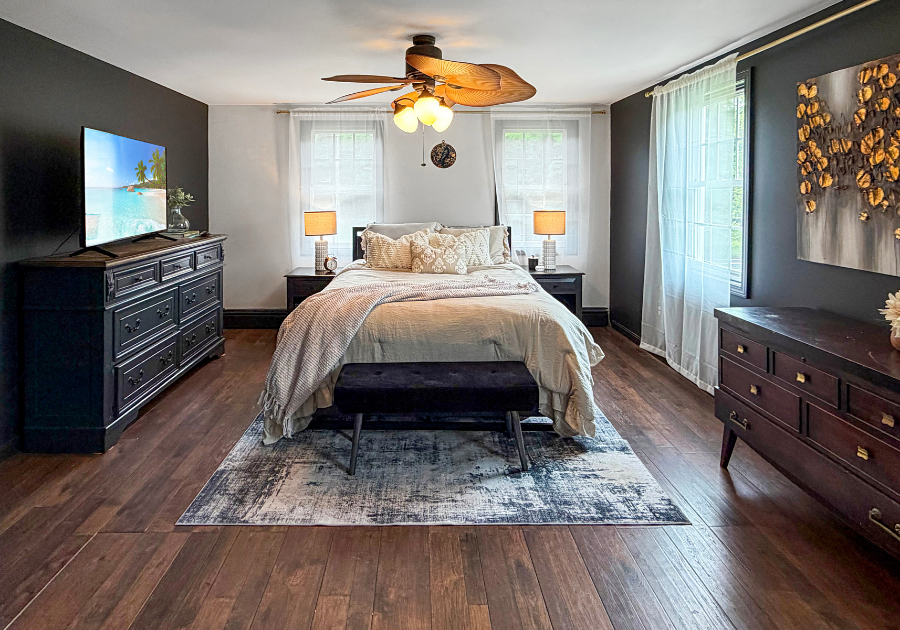
The Primary Bedroom
This is where buyers imagine personal comfort.
They are subconsciously asking:
Does this feel restful?
Does this feel peaceful?
Simple staging often transforms perception from:
Old room → Retreat space
The Biggest Mistake Sellers Make When Selling a Historic Home
The biggest mistake I see sellers make is assuming they need to modernize everything.
They start thinking:
Should I remove this trim?
Should I replace this door?
Should I update everything?
Often the answer is no.
Historic homes usually perform best when:
Character is preserved
Condition is clarified
Distractions are minimized
Trying to make a historic home look new can actually remove what buyers love most.
Instead, the goal should be:
Positioning the home correctly.
Why Preparation Matters When Selling a Historic Home
Preparation is really about removing friction.
Helping buyers see possibility instead of problems.
This usually includes:
Decluttering visual distractions
Improving lighting
Adjusting furniture scale
Highlighting architectural features
Creating simple lifestyle moments
This is the foundation of what I call my Story-Led Selling Method™, where we focus on helping buyers understand the home before they ever analyze the details.
Because when buyers understand a home emotionally, they engage with it differently.
They slow down.
They imagine living there.
They picture their future.
And that is what creates offers.
Historic Homes Reward Thoughtful Preparation
One thing I consistently see:
Historic homes that are thoughtfully prepared often outperform expectations.
Not because they were renovated.
Because they were positioned well.
Buyers could see:
The story
The lifestyle
The care
Preparation doesn’t mean changing the home.
It means helping buyers see what is already there.
Final Thoughts: Every Home Tells a Story
Preparing and positioning your home properly is one of the most important parts of selling a historic home successfully.
Historic homes carry something special.
They’ve been cared for across generations.
They’ve held families, holidays, quiet mornings, and everyday life.
When preparing these homes for sale, my goal is always the same: help the next buyer see what makes the home worth preserving.
Because buyers don’t just buy historic homes.
They become stewards of them.
And when preparation helps them see that opportunity clearly, everything changes.
Every home tells a story.
If you own a historic or character home in Central Massachusetts and ever wonder what buyers actually notice when they walk in, I’m always happy to share insight.