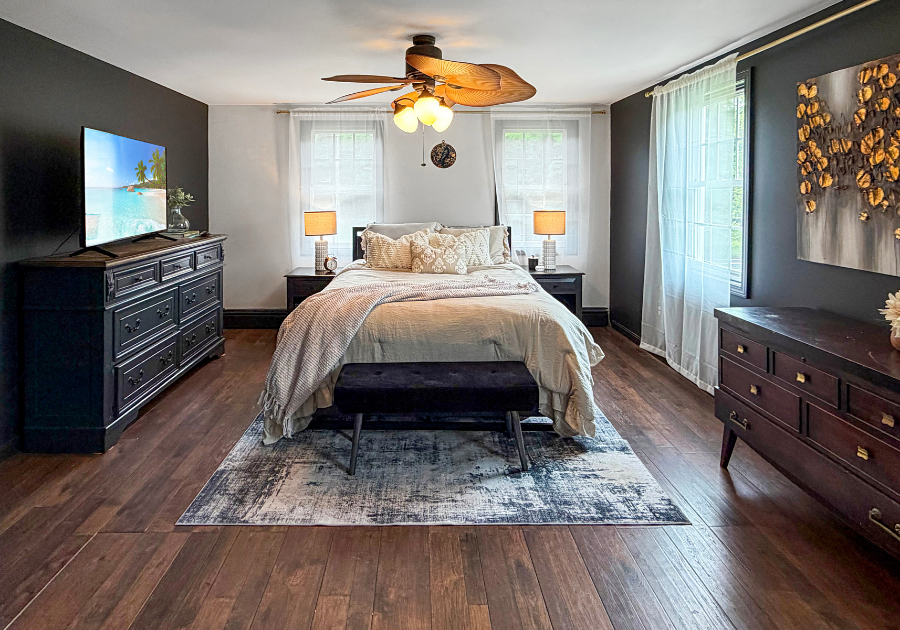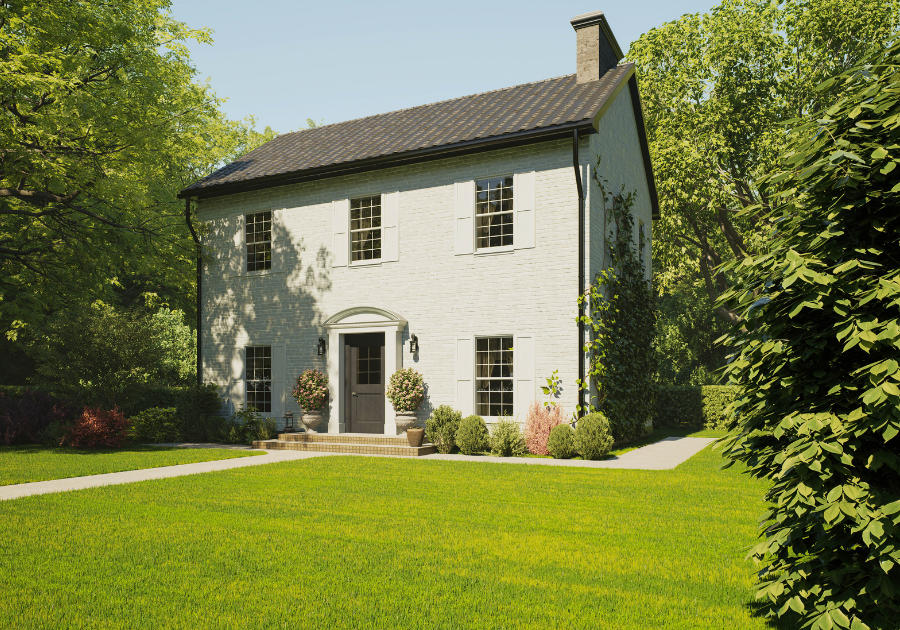
If you are selling a historic home in Central Massachusetts, you need to understand something most sellers overlook. Your home is not evaluated the same way as newer construction. It is experienced first.
Buyers don’t scroll through a historic listing and think:
“How many bedrooms?”
“How many bathrooms?”
“What’s the square footage?”
At least not at first. They feel something. And that emotional reaction — often within seconds — determines whether they continue reading… schedule a showing… or make an offer.
Historic and character homes operate in a different emotional economy and that is exactly why they must be positioned differently.
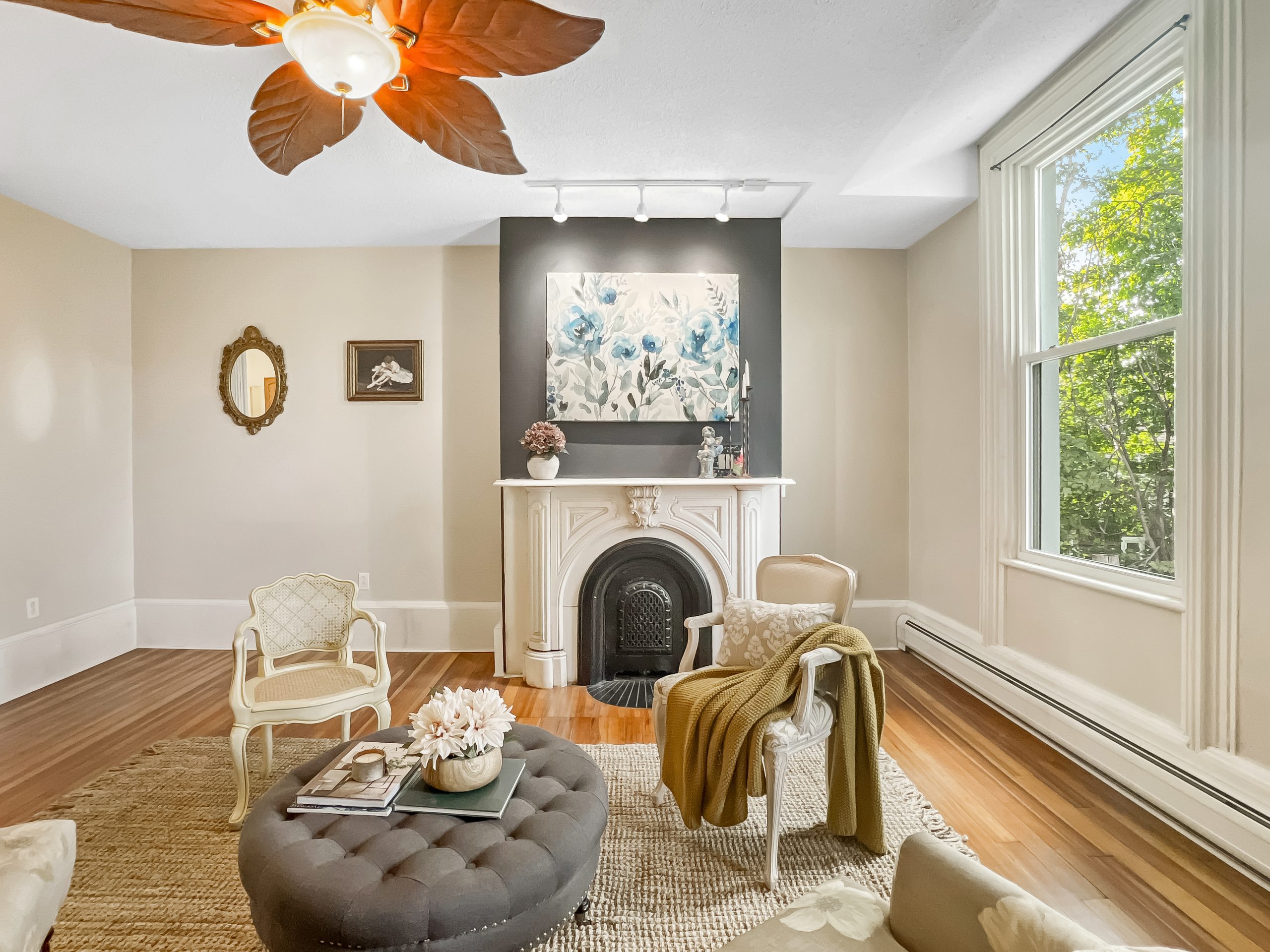
Buyers Don’t Evaluate Historic Homes First — They Experience Them
Homes built in another era carry something modern construction cannot replicate:
- Original craftsmanship
- Architectural proportion
- Material honesty
- Patina and lived history
- Unique layout nuances
- Textural richness
These are not flaws to correct. They are emotional triggers. Before buyers analyze a floor plan, they absorb atmosphere. Before they compare price per square foot, they respond to presence. That first emotional moment — in photography and in person — shapes every analytical decision that follows.
If the feeling is strong, buyers justify. If the feeling is weak, buyers critique. According to the National Association of Realtors’ staging reports, staged homes consistently generate stronger buyer engagement and perceived value.
This is why selling a historic home in Central Massachusetts requires more than just listing it on MLS. It requires perception strategy.
The Psychology Behind Why Historic Homes Feel Different
When buyers walk into a character home, several psychological responses happen almost instantly:
1. Sensory Memory Activation
Wide pine floors.
Wood-burning fireplaces.
Detailed trim.
Antique hardware.
These features trigger nostalgia, warmth, and memory — even if the buyer has never lived in a home like this before. That familiarity builds comfort. Comfort reduces resistance. Reduced resistance increases offers.
2. Scarcity Awareness
Buyers instinctively recognize rarity.
You can build another colonial.
You cannot recreate 1800s craftsmanship authentically.
Scarcity increases perceived value, but only if it is framed correctly.
3. Emotional Identity Alignment
Historic homes often attract buyers who see themselves as:
- Preservation-minded
- Design-sensitive
- Story-oriented
- Intentional
When marketing aligns with identity, buyers attach more deeply.
This is not accidental.
It is strategic positioning.

The Four Elements That Shape Buyer Feeling (and Drive Higher Offers)
If you are serious about selling a historic home in Central Massachusetts successfully, these four elements matter.
Not one. Not two. All four.
1. Story-Driven Marketing
Most listings describe features.
Heritage listings explain significance.
There is a difference.
Instead of:
“Original hardwood floors.”
Try:
“Original wide pine flooring installed in the late 1800s, preserved through generations.”
Instead of:
“Built-ins.”
Try:
“Handcrafted built-ins that reflect early New England craftsmanship.”
Story creates context.
Context creates meaning.
Meaning creates value.
When buyers understand why something matters, they value it differently.
That is why heritage listings benefit from:
- A custom story booklet
- Architectural history highlights
- Builder background (if available)
- Period detail explanations
- Narrative-driven listing descriptions
Story transforms “old” into “timeless.”
2. Lifestyle Positioning
Historic homes are not blank canvases.
They are already layered with character.
The question is not:
“How do we modernize this?”
The question is:
“How do we highlight how it lives beautifully today?”
Lifestyle positioning means showing:
- Morning light warming original floors
- Fireside evenings in a preserved hearth room
- A porch staged for conversation
- Dining spaces that feel intimate and intentional
Buyers do not buy square footage.
They buy the life they imagine living inside those walls.
If photography only shows empty rooms, you lose emotional leverage.
If staging shows experience, you gain momentum.
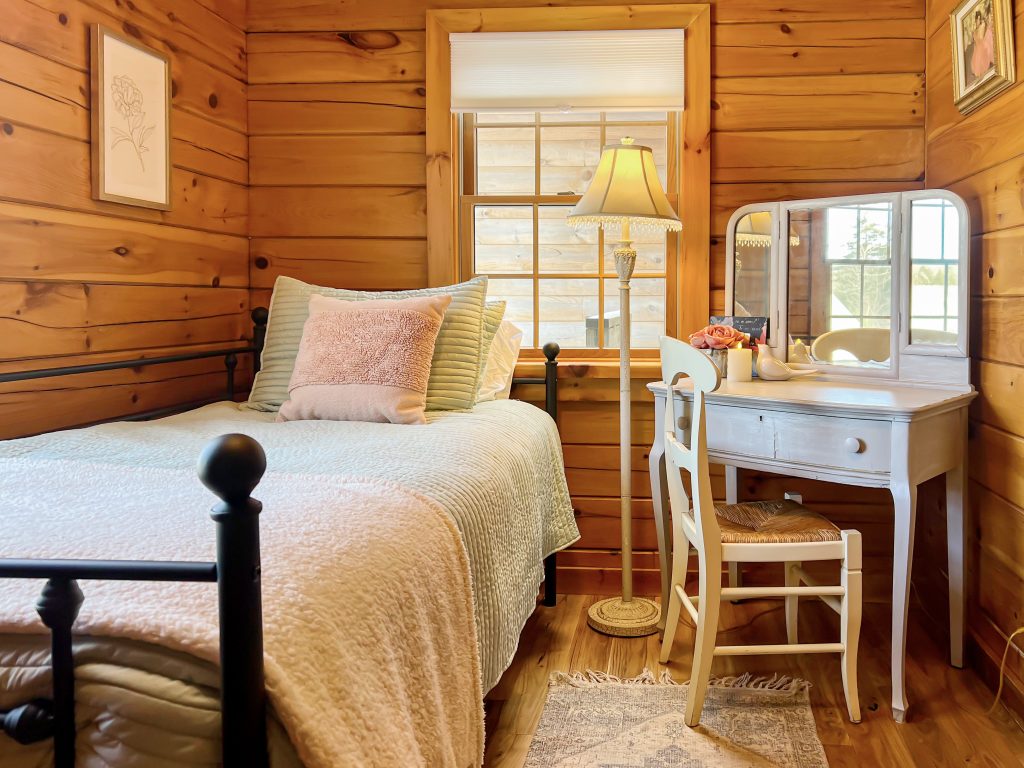
3. Intentional (Not Generic) Historic Home Staging
Staging a historic home is not the same as staging new construction.
Generic staging flattens character.
All-white, sterile styling can make a 200-year-old home feel confused.
Instead, historic home staging should:
- Use warm layered textiles
- Incorporate collected or vintage accents
- Balance proportion with appropriate scale
- Highlight architectural lines
- Soften layout quirks visually
The goal is clarity — not sterilization.
When done correctly, intentional staging:
- Amplifies architectural integrity
- Makes unusual layouts feel purposeful
- Helps buyers feel warmth immediately
- Prevents “dated” from becoming the dominant impression
If buyers feel comfort and authenticity, they move toward the home — not away from it.
4. Strategic Pricing That Honors the “Charm Premium”
Not every old home commands a premium.
But some absolutely do.
The challenge is determining when charm translates to measurable value.
Pricing a historic home in Central Massachusetts requires evaluating:
- Architectural rarity
- Condition of systems
- Structural integrity
- Preservation quality
- Buyer demand in that specific town
- Comparable sales (with nuance)
Overpricing due to emotion stalls momentum.
Underpricing without strategy leaves money on the table.
The right price feels justified — emotionally and logically.
And that’s where strategy meets psychology.
Sellers of historic homes in Massachusetts can also consult the Massachusetts Historical Commission for documentation and district information.
A Spring Market Reality Check for Selling a Historic Home in Central Massachusetts
Spring is often assumed to be “automatic multiple offer season.”
But in reality:
Spring means more inventory.
More inventory means more comparison.
More comparison means more scrutiny.
Buyers scroll longer.
They analyze harder.
They tour more homes.
Increased competition requires stronger positioning.
If your historic home:
- Feels warm
- Is presented intentionally
- Is priced strategically
- Tells a compelling story
It will stand out.
If it feels disorganized, dated, or overpriced —
it will sit.
Timing alone is not a strategy.
Preparation is.
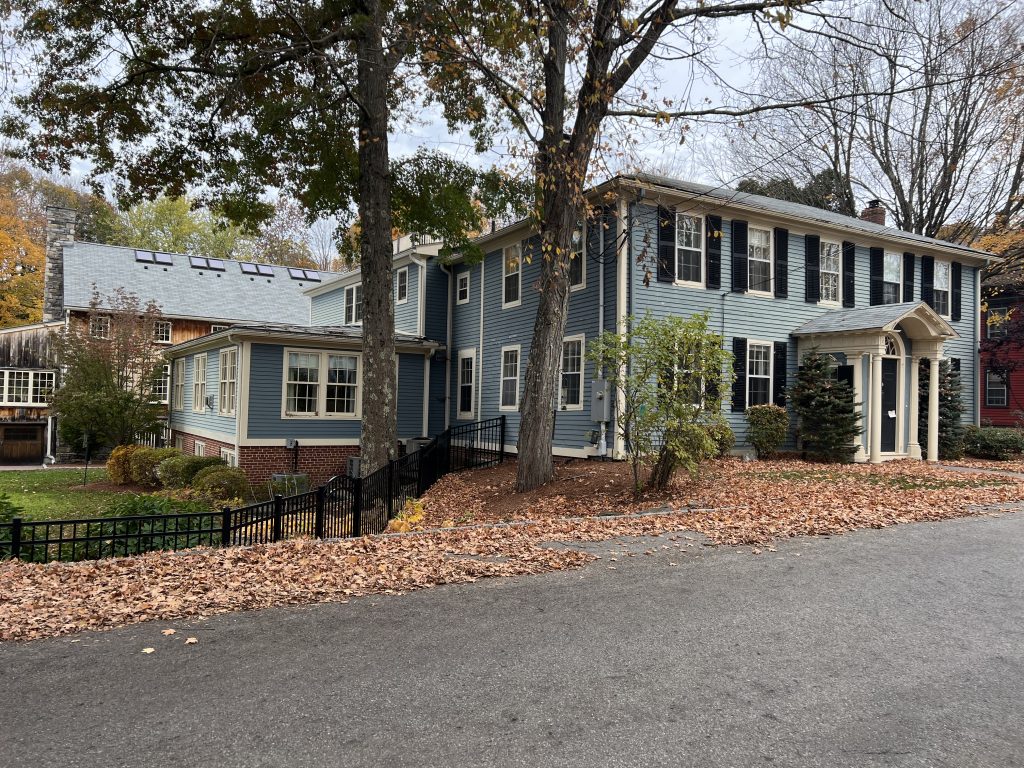
Selling a Historic Home in Central Massachusetts Is Hyper-Local
Central Massachusetts is not Boston.
Buyer expectations differ by town.
Petersham buyers may value preservation deeply.
Worcester buyers may weigh commute differently.
Small-town charm buyers often prioritize:
- Land
- Privacy
- Craftsmanship
- Architectural uniqueness
Understanding micro-market demand is critical.
A 1790 farmhouse in one town may command a premium.
The same property style elsewhere may require more strategic positioning.
This is where local expertise matters.
What If Your Home Isn’t 200 Years Old?
Even newer homes benefit from perception strategy.
Character is not about age.
It is about:
- Depth
- Warmth
- Texture
- Intention
A 1990s colonial styled with thoughtful, layered elements will feel more elevated than one staged generically.
Buyers respond to atmosphere.
That is true across price points and build years.
The Difference Between “Quirky” and “Premium”
This is where many sellers struggle.
Historic homes often have:
- Sloped floors
- Smaller closets
- Unique layouts
- Non-standard room shapes
Without framing, these feel like problems.
With intentional positioning, they feel like personality.
The difference?
Narrative.
Staging.
Lighting.
Pricing.
Confidence.
When marketed properly, buyers see uniqueness.
When marketed casually, buyers see inconvenience.
The same feature — interpreted differently — produces different results.
Why Buyers Feel Before They Analyze
Here is the truth:
Emotion drives action.
Logic justifies it afterward.
If buyers feel connected, they:
- Overlook minor imperfections
- Compete more aggressively
- Offer closer to asking
- Move faster
If buyers feel uncertain, they:
- Hesitate
- Critique
- Negotiate harder
- Delay decisions
This is why perception strategy matters more than ever.
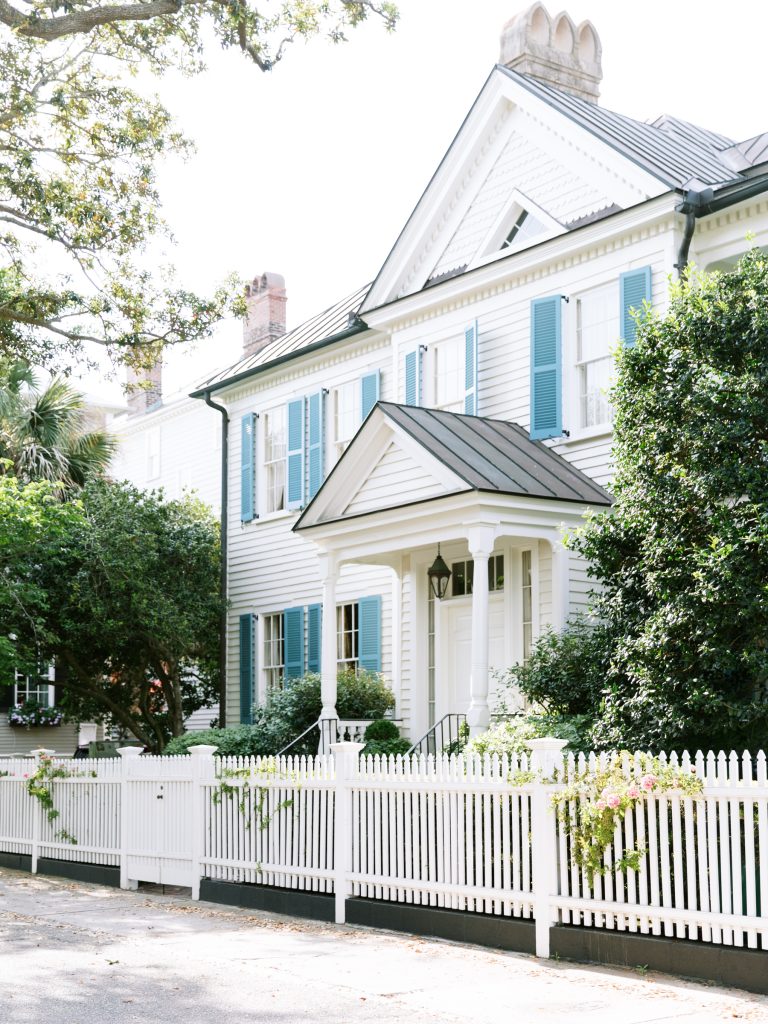
The Takeaway for 2026 Sellers Selling a Historic Home in Central Massachusetts
If you are considering selling a historic home in Central Massachusetts this year, begin preparing early.
Before:
Photography.
Listing.
Pricing.
Ask:
- What story does this home tell?
- What feeling does it create?
- What buyer identity does it attract?
- What makes it rare?
- What needs intentional staging to shine?
Luxury is not a price point.
It is presentation.
And heritage homes deserve presentation that honors their depth, history, and character.
Buyers will feel it first.
And that feeling will shape everything that follows.
Preparing a Home for Sale Starts Earlier Than Most People Think
If you’re even considering selling your home in the next year or two, thoughtful preparation can make a significant difference in how buyers perceive its value.
To help homeowners get started, I created a simple Home Staging Preparation Checklist that walks through the small changes that can make the biggest impact before a home ever hits the market.
Download your copy here:
This checklist is the same preparation process I walk through with my listing clients.
It’s a helpful starting point whether you’re preparing to sell soon or just thinking ahead.